

AI Brief
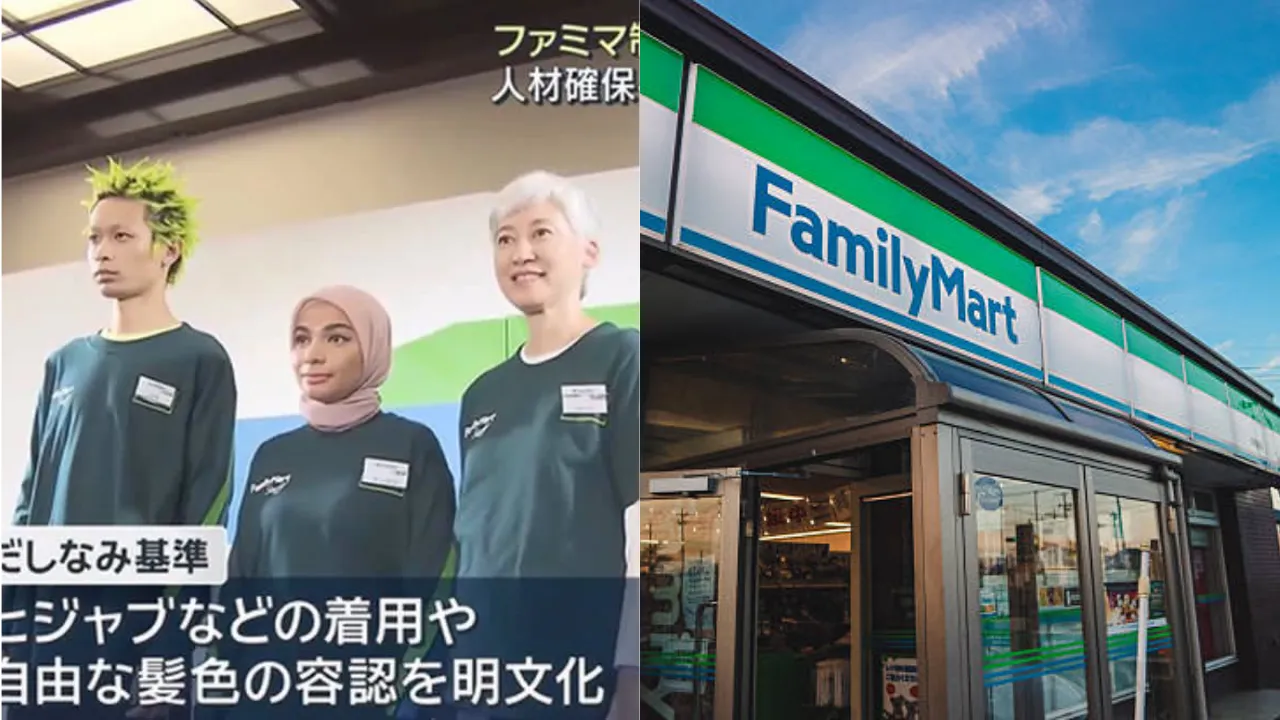
- FamilyMart Japan has introduced a flexible dress code allowing employees to wear any hair colour, hijabs, and long-sleeved uniforms starting September 2026.
- The new policy aims to attract a more diverse workforce but has faced criticism from some Japanese social media users, particularly regarding the hijab.
- Indonesian hijabi model Ranisa Rahman, featured in the campaign, welcomed the opportunity to raise awareness and promote inclusivity despite negative comments.
Recently, FamilyMart announced a new flexible dress code for its employees at Fami-FEST 2026 in Japan.
The updated dress code allows staff to wear their hair in any colour and permits Muslim employees to wear hijabs. In addition, the new uniform comes with a long-sleeved option.
According to a report, the move marks the first major uniform redesign in a decade for the convenience store chain. It is understood that the changes are aimed at attracting a more diverse workforce and will be implemented starting in September.
The move is progressive, but not everyone is happy
Following FamilyMart's announcement, it appears not everyone is pleased with the more inclusive dress code, particularly the decision to allow employees to wear hijabs.
Some Japanese social media users took to online platforms to share their views on the matter, with some criticising the company's decision and claiming that hijabs were unhygienic.
One user even said they would stop shopping at FamilyMart if the company continued prioritising employees over customers.
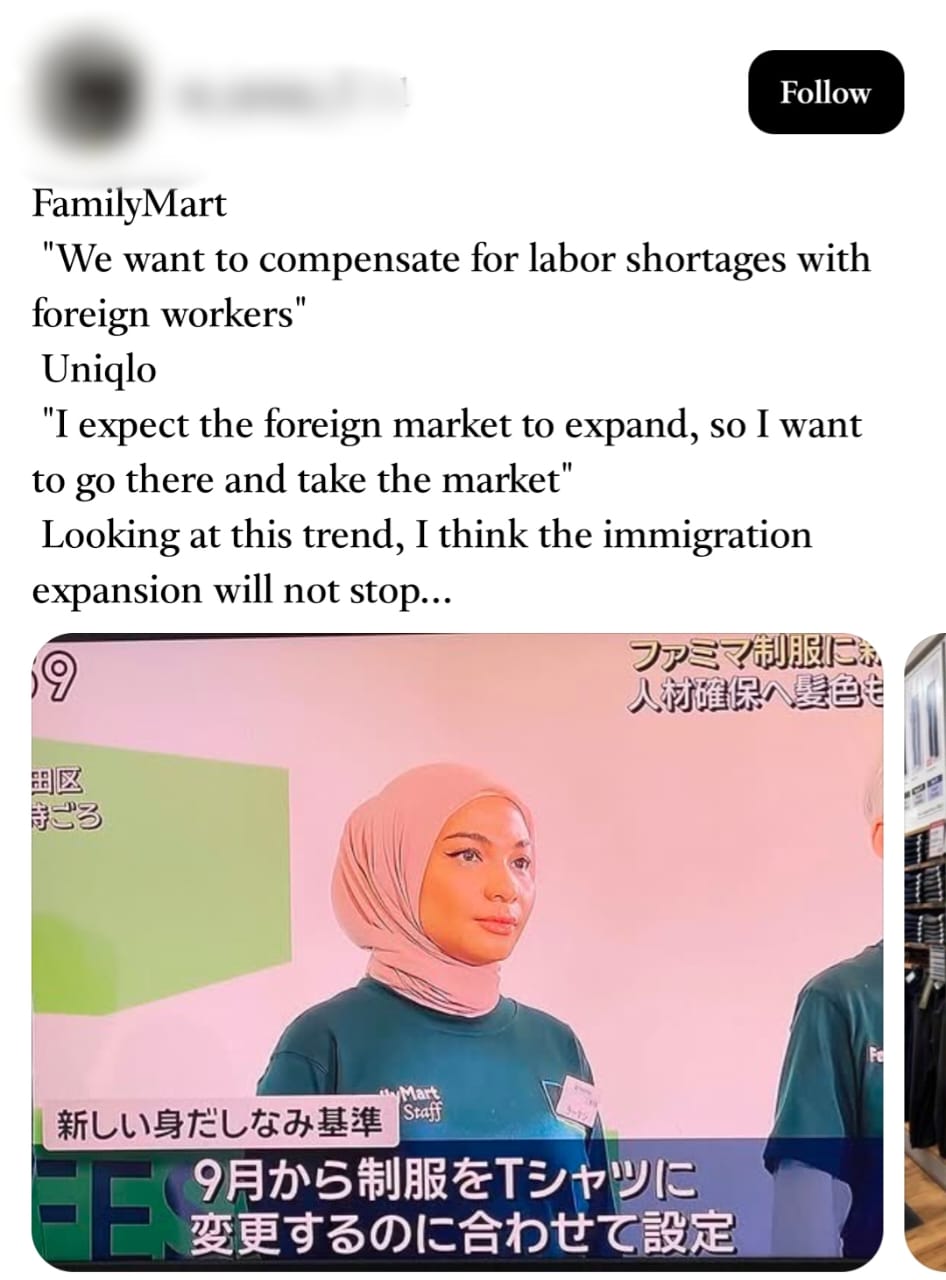 Image Credit: Threads
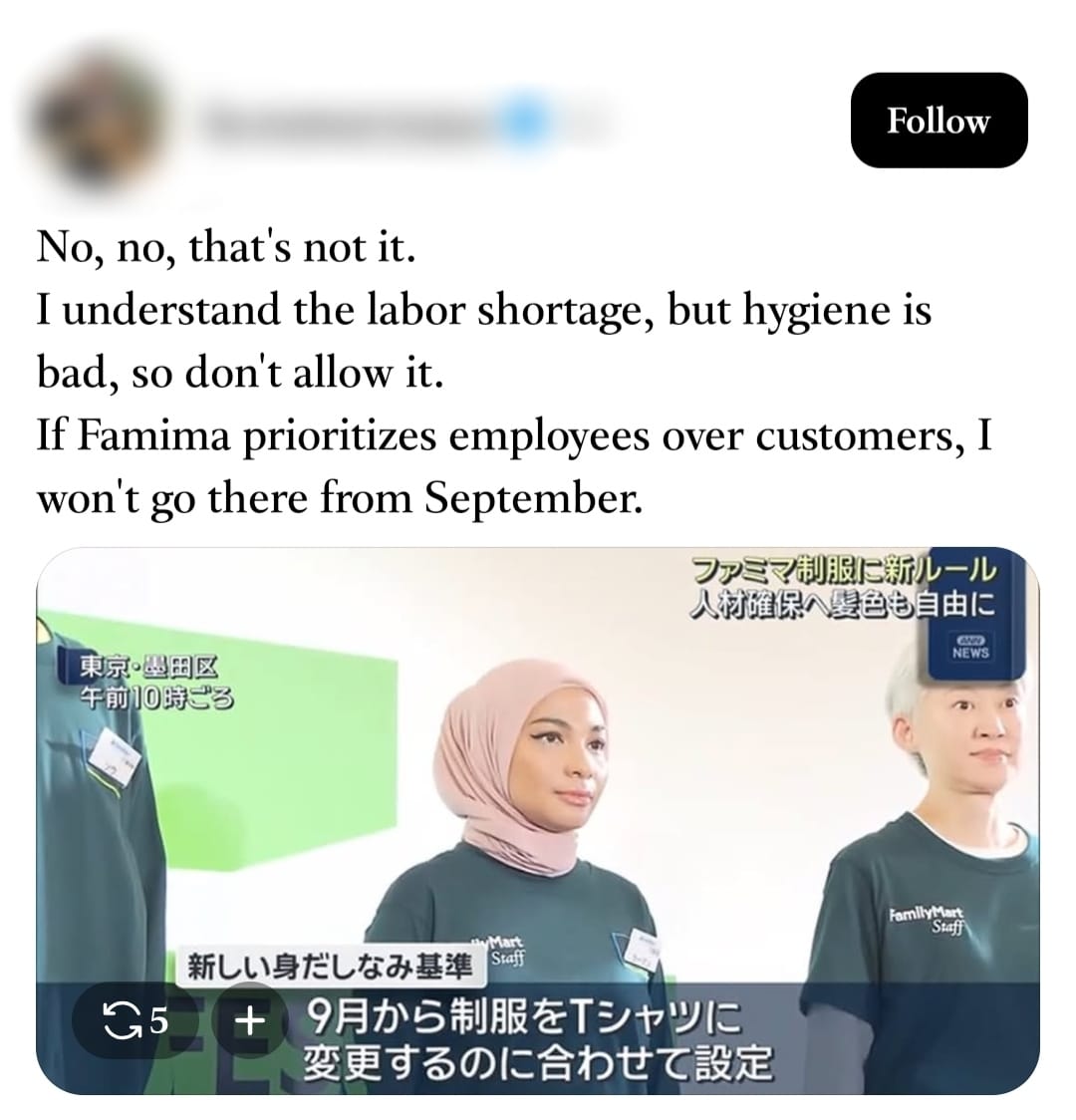 Image Credit: Threads
The hijabi model speaks out
Meanwhile, the hijabi model featured in FamilyMart's announcement has since addressed the issue.
The Indonesian model, Ranisa Rahman, expressed her gratitude to those who had shown their support. According to Ranisa, the criticism from some Japanese social media users has not affected her.
"When I was first offered this opportunity, I actually had a feeling this might get some attention. I mean, a hijabi modelling for a huge Japanese brand? And knowing that there would probably be local media coverage too, I knew it could get big."
Ranisa said she viewed the experience as an opportunity to introduce the hijab to more people in Japan. Despite the negative comments, she saw it as a chance to raise awareness and show that wearing a hijab has never stopped Muslim women from pursuing opportunities, being visible, or achieving their goals.
Featured Image Credit: Facebook, iStock
You may be interested in
![[REJURAN] Turnover Mask 5 Sheets | Hydration, Skin Renewal, Soothing, Glow](https://d3lmgsai2rsy7d.cloudfront.net/astro-products/2026/07/08/6a4dc59c3f4c75.50851671-sg-11134207-824h6-mpsyplv65cenbd)
[REJURAN] Turnover Mask 5 Sheets | Hydration, Skin Renewal, Soothing, Glow
1pcs random Sonny Angel HIPPERS - Harvest Series Mini Figure Blind box Cute Hippers decoration Line up?12 types
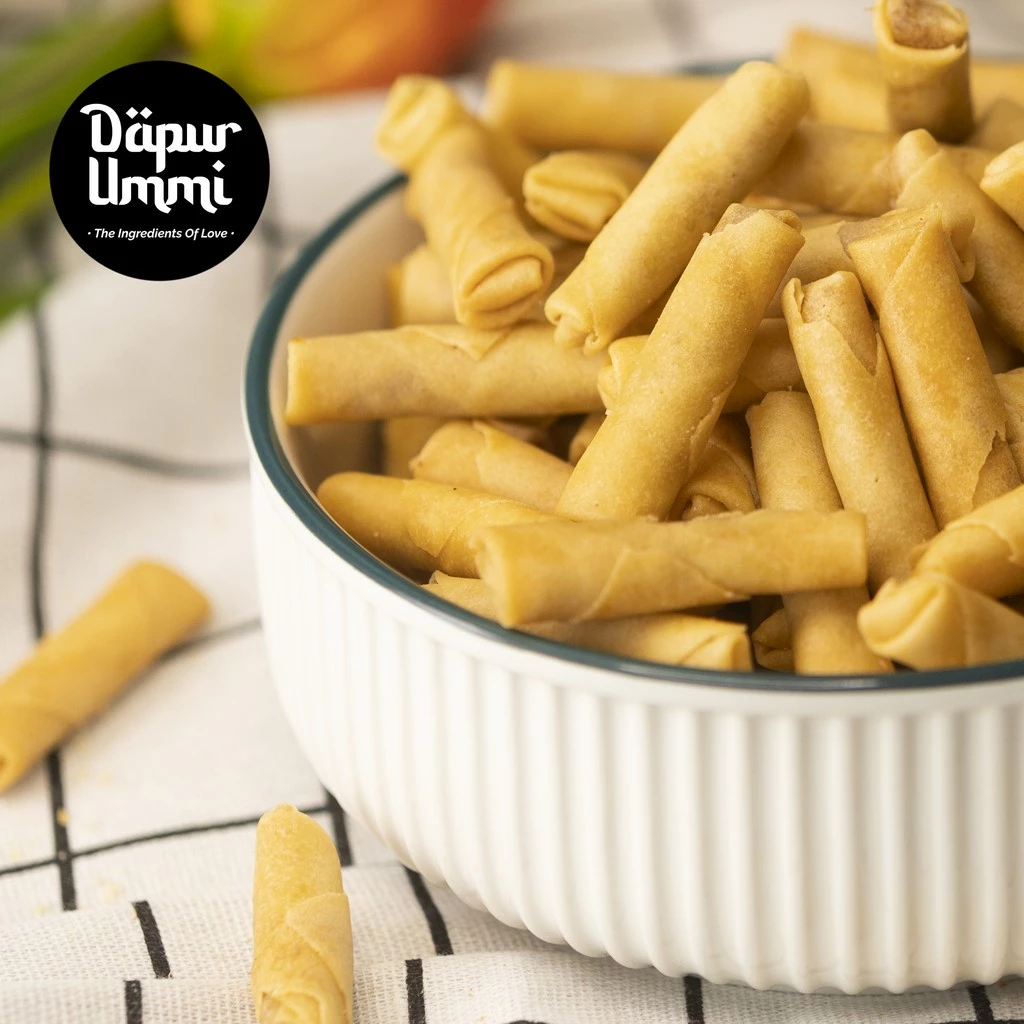
Popia Udang Gulung Dapur Ummi
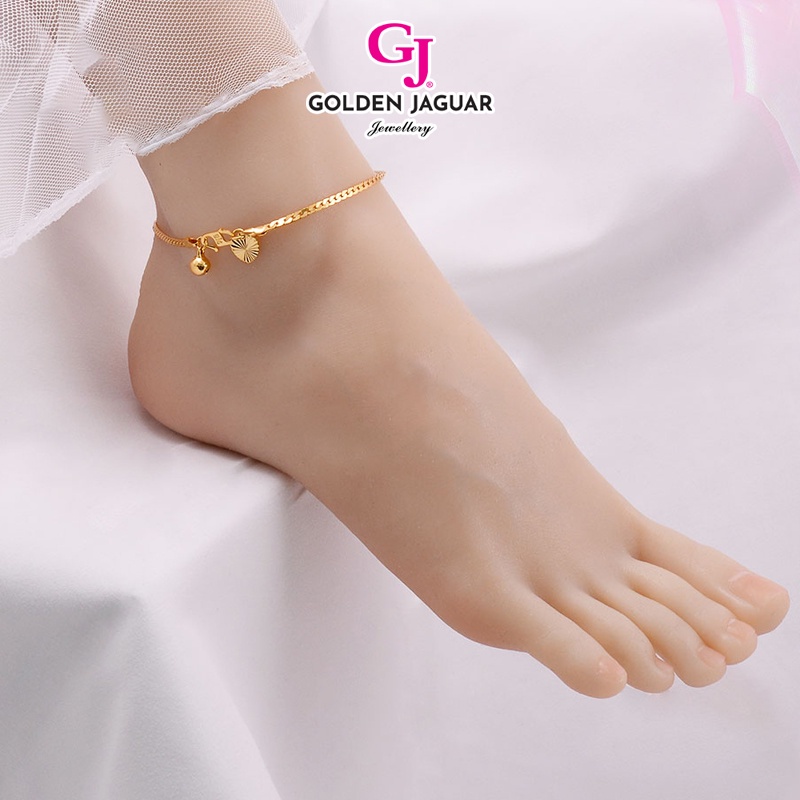
GJ Jewellery Emas Korea Emas Bangkok 24K Woman Anklet Daun/Jubin Sliver Gold/Gila-gila Love (26cm-27cm) GA-8
![[NEW] Tracey Easy Off-Trail Card Holder With Lanyard Dompet Kad Wanita](https://d3lmgsai2rsy7d.cloudfront.net/astro-products/2026/07/08/6a4dc59cb6ba80.79699010-sg-11134201-82588-mfrz4om8r9cdd0)