

AI Brief
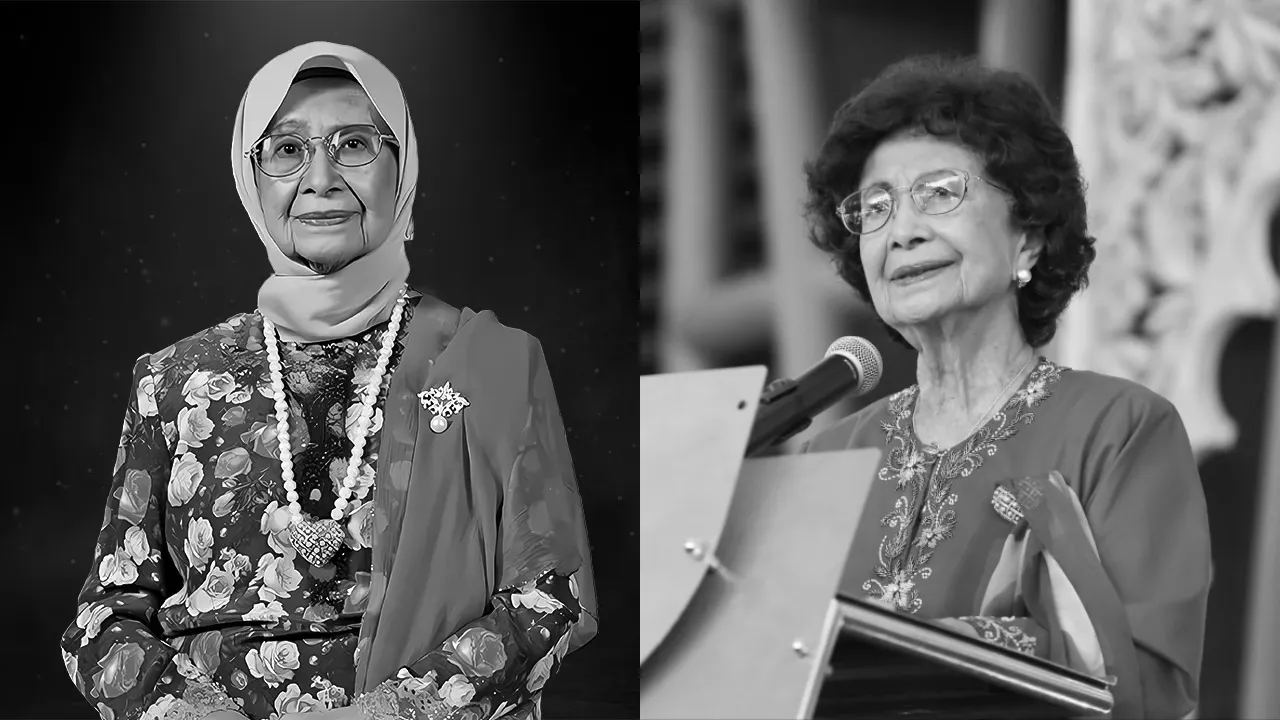
- Tun Dr Siti Hasmah Mohd Ali, the wife of former Prime Minister Tun Dr Mahathir Mohamad, passed away at the age of 100 at the National Heart Institute (IJN).
- She was among the early Malay women to enter the medical profession and made significant contributions to maternal and child healthcare, as well as the development of rural women.
- Tun Dr Siti Hasmah was also actively involved in international humanitarian work and leaves behind a lasting legacy in Malaysia's healthcare system and social welfare sector.
Malaysia is mourning the loss of Tun Dr Siti Hasmah Mohd Ali, the wife of former Prime Minister Tun Dr Mahathir Mohamad, who passed away yesterday at the National Heart Institute (IJN) at the age of 100.
While she is widely remembered as the life partner of Malaysia's longest-serving prime minister, Tun Dr Siti Hasmah also built a remarkable legacy of her own as a doctor and advocate. Throughout her life, she championed causes including maternal and child health, immunisation, rural women's development, drug abuse prevention, and adult literacy.
Interestingly, despite dedicating decades to medicine, Tun Dr Siti Hasmah had originally dreamed of becoming a journalist before life led her down a different path.
She witnessed rural healthcare challenges first-hand after moving to Kedah
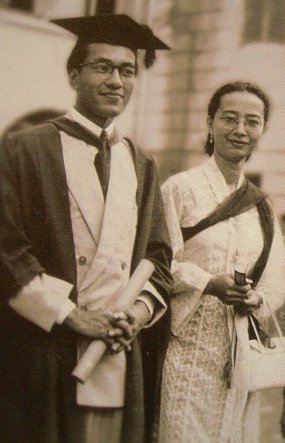 Image Credit: Flickr
After graduating from the King Edward VII College of Medicine in Singapore in June 1955, Tun Dr Siti Hasmah became one of the earliest Malay women to enter the medical profession.
She began her career as a house officer at Kuala Lumpur Hospital before relocating to Kedah. There, in her husband's home state, she was appointed a Lady Medical Officer at Alor Setar Hospital, where she witnessed first-hand the healthcare challenges faced by rural communities.
In 1962, Tun Dr Siti Hasmah was appointed acting medical superintendent for northern Kedah. Three years later, she became the first woman appointed as a medical officer in the Maternal and Child Health Department, while also serving as principal of the Rural Health Training School in Jitra.
In her autobiography, Tun Dr Siti Hasmah recalled the many challenges faced by healthcare workers at the time. These included inadequate maternal and infant healthcare, compounded by limited health awareness, poverty, traditional practices, and cultural taboos.
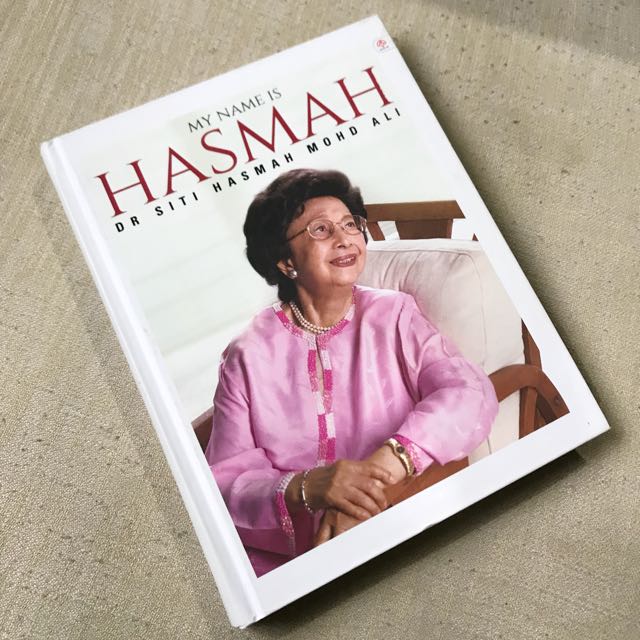 Image Credit: Google
In a 1997 speech, she spoke about how her team brought government healthcare programmes directly to local communities, covering areas such as immunisation, nutrition, infectious disease prevention, malaria eradication, and care for high-risk pregnancies.
In another interview, she shared her concerns about serious childhood illnesses that were prevalent at the time, including tuberculosis, polio, whooping cough, diphtheria, and tetanus. These concerns motivated her and her team to travel to villages to provide treatment, immunisation, and health education directly to rural communities.
Their efforts paid off, with her work contributing to a significant decline in infant mortality rates.
Her contributions earned her numerous accolades, including Kedah's Excellent Service Medal in 1964 for her role in tackling a cholera outbreak, the Asia HRD Lifetime Achievement Award in 2019, and the National Anti-Drug ICOM Special Award in 2020.
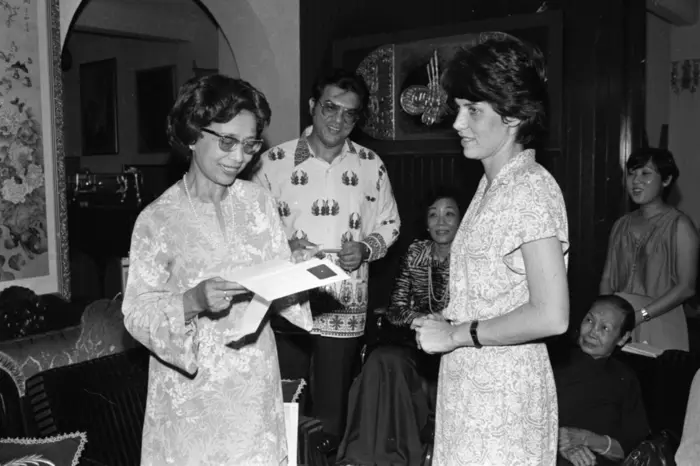 Image Credit: The Star
Although Tun Dr Siti Hasmah retired from government service in 1979, her contributions to healthcare did not end there. She later joined the Universiti Malaya Faculty of Dentistry as a part-time lecturer in social medicine, where she taught until 1981.
"By the time I left Kedah, it was with deep satisfaction that the people had chosen to accept the government's health programmes and had benefited from them," she said in a 1997 speech.
Her advocacy work took her to the international stage
Beyond medicine, Tun Dr Siti Hasmah was actively involved in numerous organisations and humanitarian causes. In 1987, she represented Malaysia at an international conference on drug abuse in Vienna and served as patron of the Pan Pacific and Southeast Asia Women's Association Malaysia.
Her dedication to uplifting rural women also earned her an invitation to the First Ladies Summit for the Economic Advancement of Rural Women in Geneva in 1992. She was subsequently selected as one of six Core Group Initiators of First Ladies representing the Asia-Pacific region.
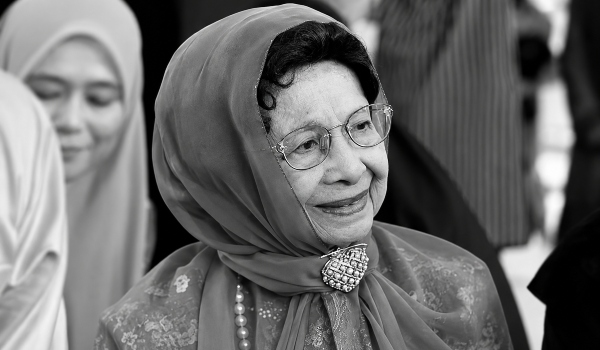 Image Credit: Berita RTM
As if that wasn't impressive enough, in 2001, Tun Dr Siti Hasmah led a delegation of 15 women comprising doctors, educators, writers, and academics on a humanitarian mission to Iraq. There, they witnessed the hardships faced by the Iraqi people, particularly children affected by United Nations economic sanctions.
Through her decades of service, advocacy, and contributions to Malaysia's healthcare system, Tun Dr Siti Hasmah leaves behind a legacy that extends far beyond her role as a former prime minister's wife. Her impact on public health, rural communities, and women's welfare will continue to be felt for generations to come.
Featured Image Credit: Astro Awani, Malay Mail
You may be interested in
![[REJURAN] Turnover Mask 5 Sheets | Hydration, Skin Renewal, Soothing, Glow](https://d3lmgsai2rsy7d.cloudfront.net/astro-products/2026/07/08/6a4dc59c3f4c75.50851671-sg-11134207-824h6-mpsyplv65cenbd)
[REJURAN] Turnover Mask 5 Sheets | Hydration, Skin Renewal, Soothing, Glow

1pcs random Sonny Angel HIPPERS - Harvest Series Mini Figure Blind box Cute Hippers decoration Line up?12 types
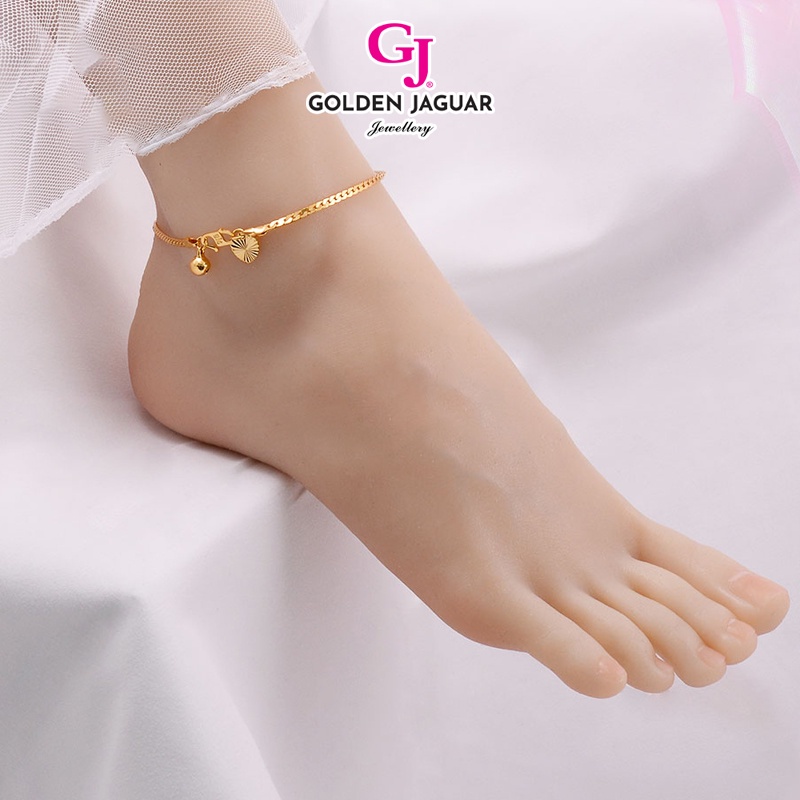
GJ Jewellery Emas Korea Emas Bangkok 24K Woman Anklet Daun/Jubin Sliver Gold/Gila-gila Love (26cm-27cm) GA-8
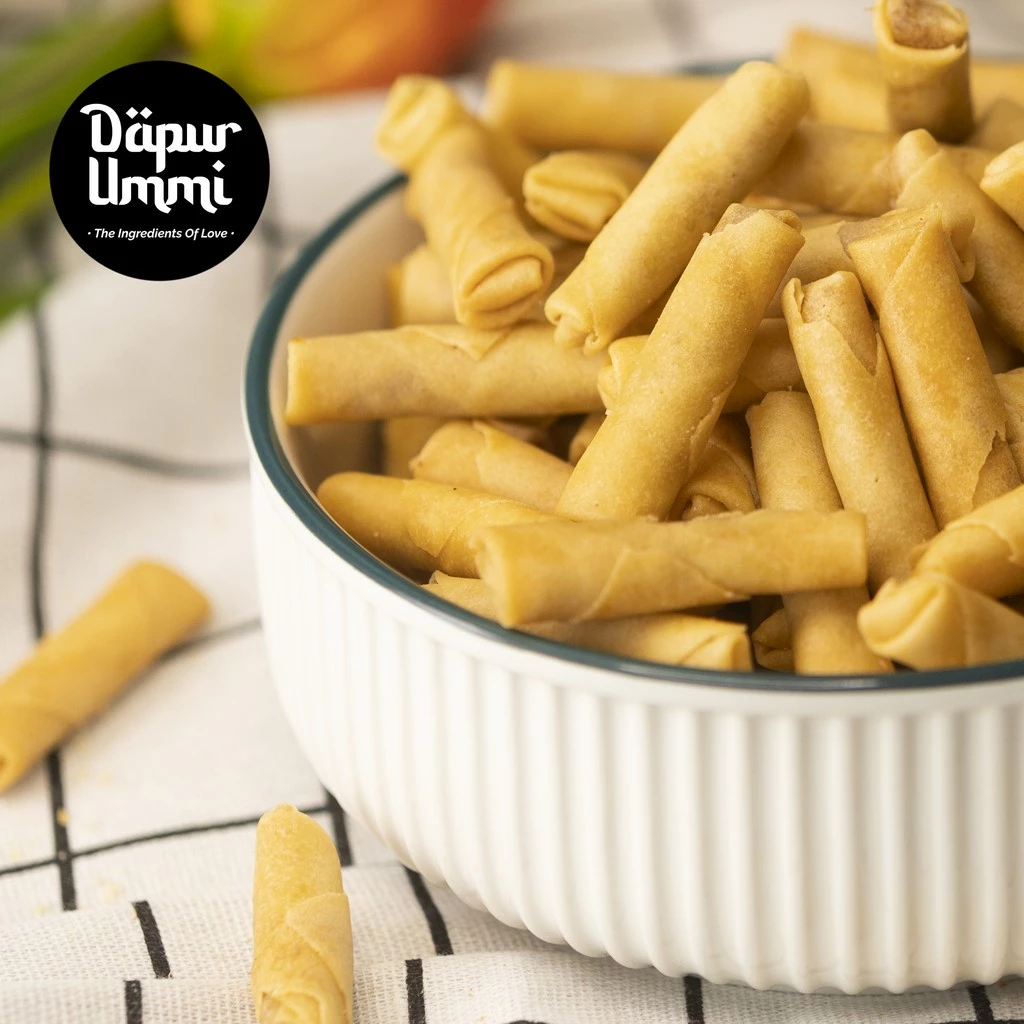
Popia Udang Gulung Dapur Ummi
![[NEW] Tracey Easy Off-Trail Card Holder With Lanyard Dompet Kad Wanita](https://d3lmgsai2rsy7d.cloudfront.net/astro-products/2026/07/08/6a4dc59cb6ba80.79699010-sg-11134201-82588-mfrz4om8r9cdd0)