
TLDR
- A Malaysian couple, Khairina and Wan Hidayat, founded Kolektif Kucing as a sustainable foster space for stray cats, operating two foster homes in Wangsa Maju and Kg. Attap.
- Kolektif Kucing combines volunteer experiences with opportunities to learn and contribute financially, all while ensuring the cats receive consistent routines and a free‑roaming environment.
- They also prioritise a thorough adoption process and offer co‑working sessions with cats, while planning to expand their network of partners to ensure long‑term sustainability.
For many animal lovers, the thought of stray animals struggling to survive on the streets can be heartbreaking. While some may help by feeding them occasionally, others are willing to go a step further for these furry companions. That’s exactly what this Malaysian couple did.
Meeting a cat named professor
For Khairina Ibrahim and Wan Hidayat, everything began with their own rescue journey back in 2023. At one point, they were called to rescue more than 10 cats in their neighbourhood, which were at risk of being captured and sent to the pound.
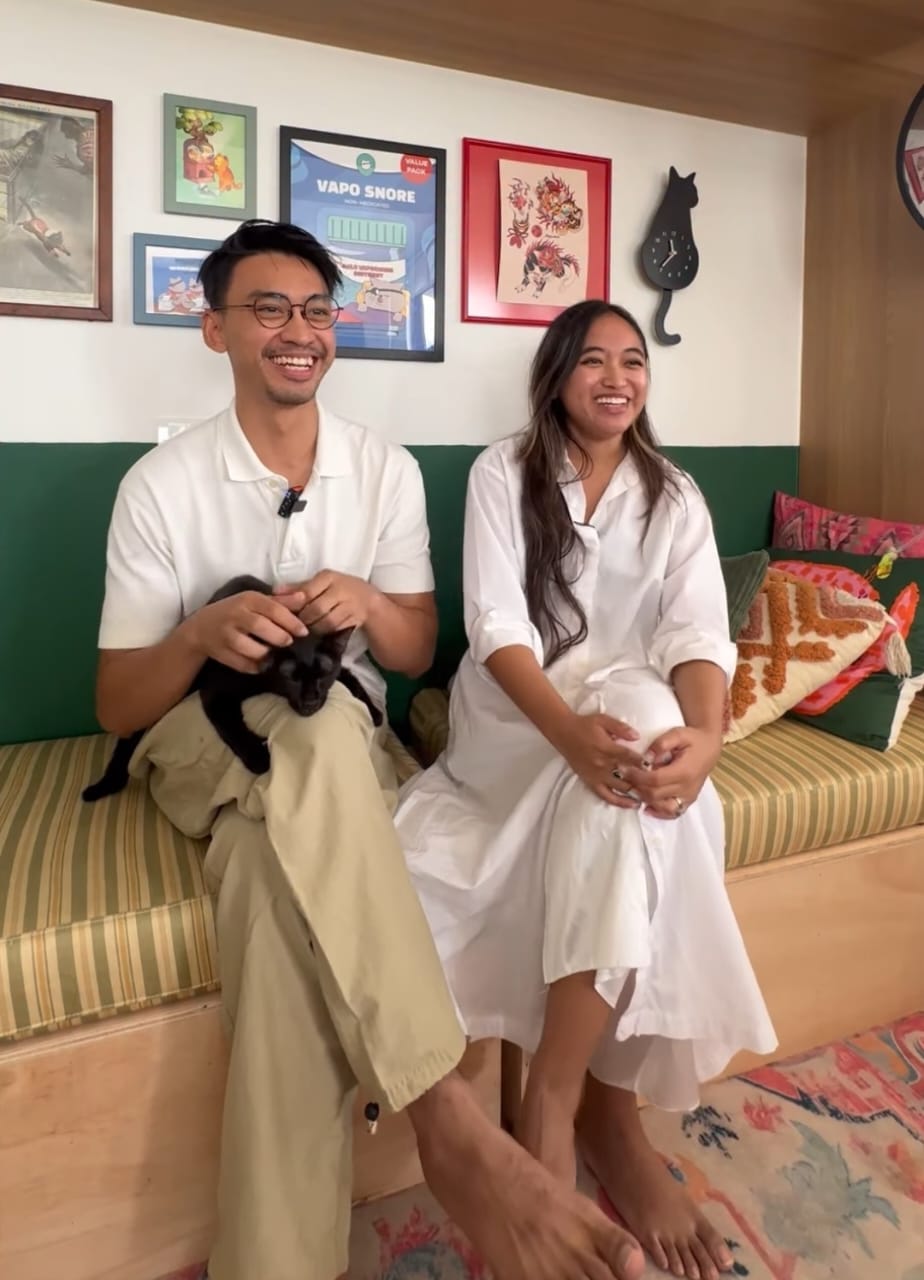 Image Credit: Kolektif Kucing | Instagram
“We relied on third-party boarding like cat hotels since we didn’t have space at home. We ended up spending thousands of ringgit a month to keep them off the streets until we could get them adopted. After rehoming our last rescue, we took a break from independent rescuing due to financial constraints and burnout,” says Khairina.
It wasn’t until the couple came across Professor, a black stray cat roaming around their favourite nasi lemak shop in Wangsa Maju, that they came up with a new plan.
“Rescuing Professor made us reflect on the cycle we were in. We realised that informal rescuing without infrastructure wasn’t sustainable for us, or anyone, in the long term.”
Thus, Kolektif Kucing, a dedicated foster space, was born to inspire a cultural shift and redefine how the community cares for stray cats.
A different kind of volunteering experience
During the early days of Kolektif Kucing, it was just the two of them. Wan Hidayat served as the soundboard and strategic advisor (and occasionally, the handyman). Meanwhile, Khairina handled business strategy, partnerships, marketing, and end-to-end operations.
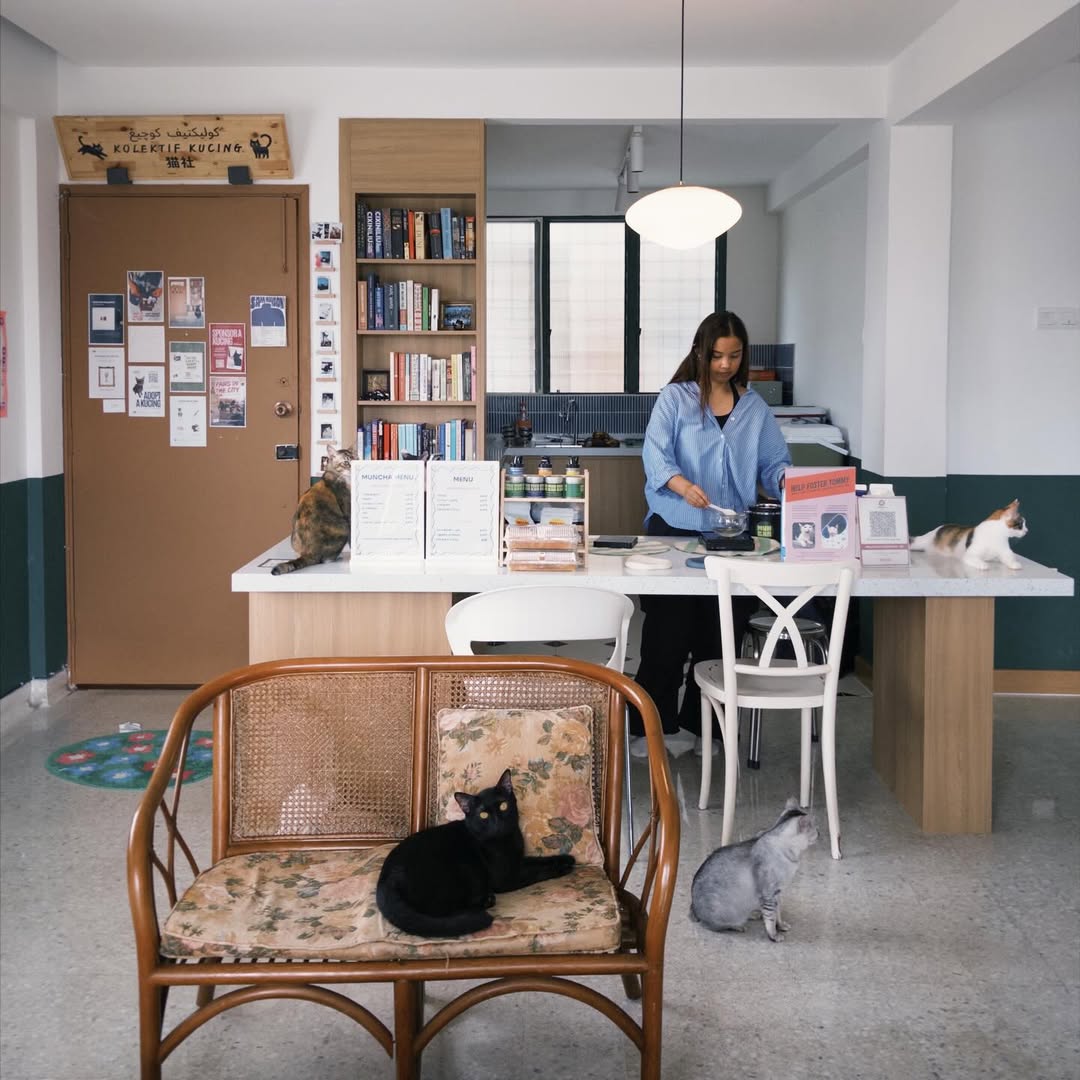 Image Credit: Kolektif Kucing | Instagram
Today, the husband-and-wife duo operates two foster homes—one in Wangsa Maju and another in Kg. Attap. Collectively, they can accommodate up to 16 cats (six and ten, respectively).
When it comes to volunteer work, Kolektif Kucing approaches things differently.
“We realised people often feel they have to choose between ‘doing good’ and having leisure activities in the city. Our model removes that barrier."
They explained, "Visitors can spend meaningful time with the cats, learn about rescue work, and contribute financially to sustaining the foster home, all in one experience. This reduces reliance on donations and allows us to operate more sustainably.”
To date, Kolektif Kucing has welcomed over 300 volunteers.
A typical day at Kolektif Kucing begins with morning feeding and litter box cleaning. Since the foster homes are free-roaming spaces, cleanliness is the top priority.
Playtime is also taken seriously, as it plays a major role in socialisation and stimulation, especially for newly integrated cats.
Giving stray cats a second chance
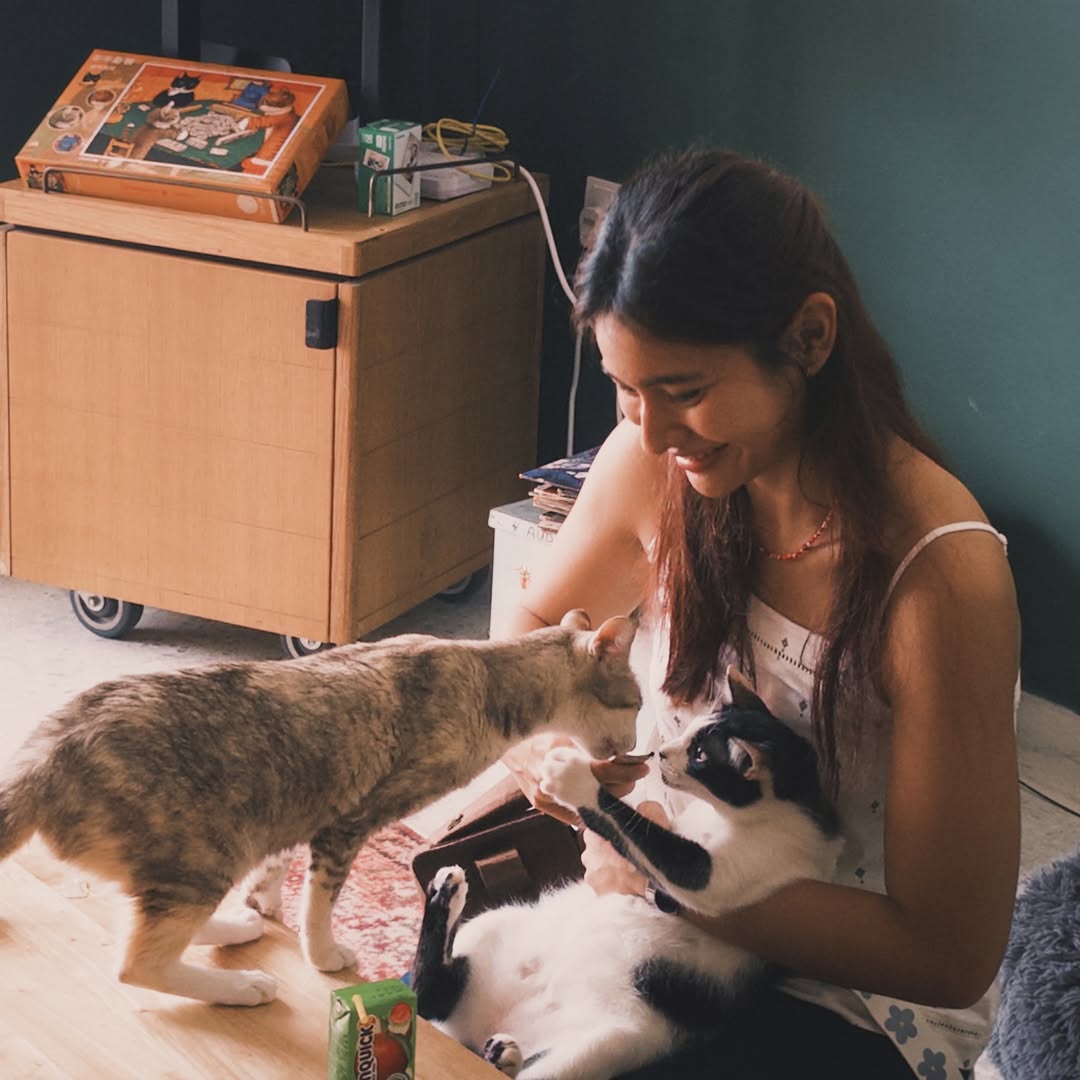 Image Credit: Kolektif Kucing | Instagram
Like many foster homes, Kolektif Kucing works closely with other rescuers. Through their social media, rescuers can ask for guidance or join the fostering waitlist.
Proof of health screening is required for every new foster, including tests for FeLV, FIC, and parvo, to rule out contagious diseases that are harder to manage in a free-roaming environment. While Kolektif Kucing does not accept cats who are actively sick, they may join the foster home once they recover and move up the waitlist.
Not all cats adjust at the same pace. Some may be anxious, especially if they’ve endured harsh conditions for a long time. Khairina and Wan Hidayat believe that adjustment is slow but rewarding.
“We focus on predictable feeding routines, providing safe hiding spaces, and gentle exposure to humans. We also leverage structured volunteering and events to help these cats interact with different types of people."
"Over time, many anxious cats begin to mirror the confidence of more social cats in the space,” they said.
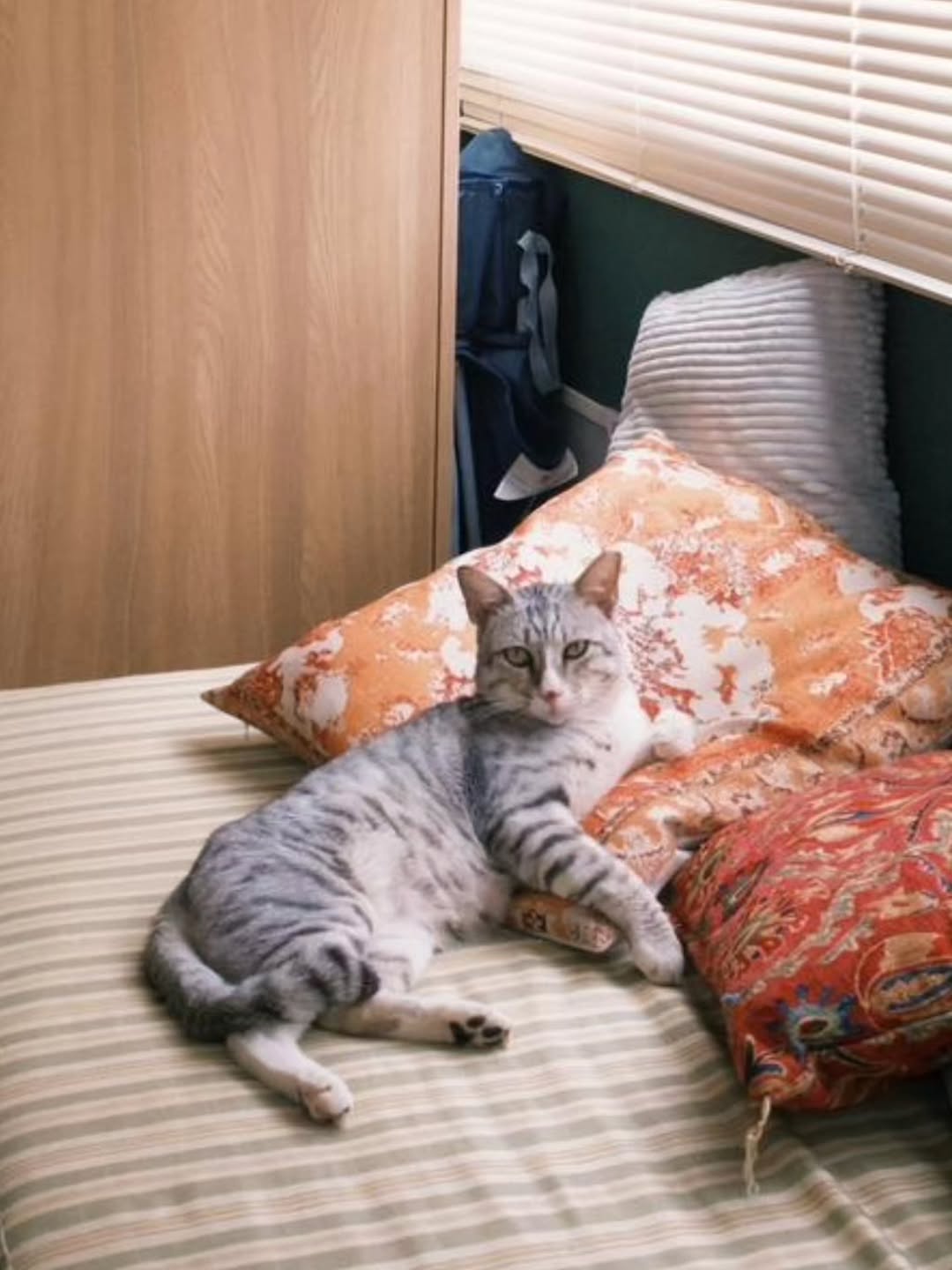 Image Credit: Kolektif Kucing | Instagram
Of course, the ultimate goal is to find every rescued cat a loving forever home. At Kolektif Kucing, the adoption process begins with an inquiry, followed by a meet-and-greet at their space. Since the cats live in a home environment, adopters get to see their true personalities.
When there’s a good match, the adopter must complete a screening questionnaire to assess their readiness, lifestyle fit, financial preparedness, and long-term commitment.
Successful applicants then begin a two-week trial period. Once completed, the adoption is finalised and an adoption fee is collected, which goes back to the rescue.
“The most important part for us is clear communication, proper screening, and ensuring adopters understand that adoption is a long-term responsibility.”
Beyond rescuing and adoption, Kolektif Kucing also offers co-working sessions at their space, where people can work while hanging out with the cats. Interested individuals can book a slot through their page.
The realities of cat rescue work
Fostering animals is no small feat. For both Khairina and Wan Hidayat, operating two foster homes is undoubtedly their biggest challenge. Since both of them work full-time jobs while running Kolektif Kucing, they are constantly exploring ways to make the initiative sustainable enough so that eventually, one of them can focus on it full-time.
Despite the overwhelming responsibilities, the most rewarding moments come when cats find their forever homes. When asked, the couple shared that the story of Miso and Jiji is one that has stayed with them the most.
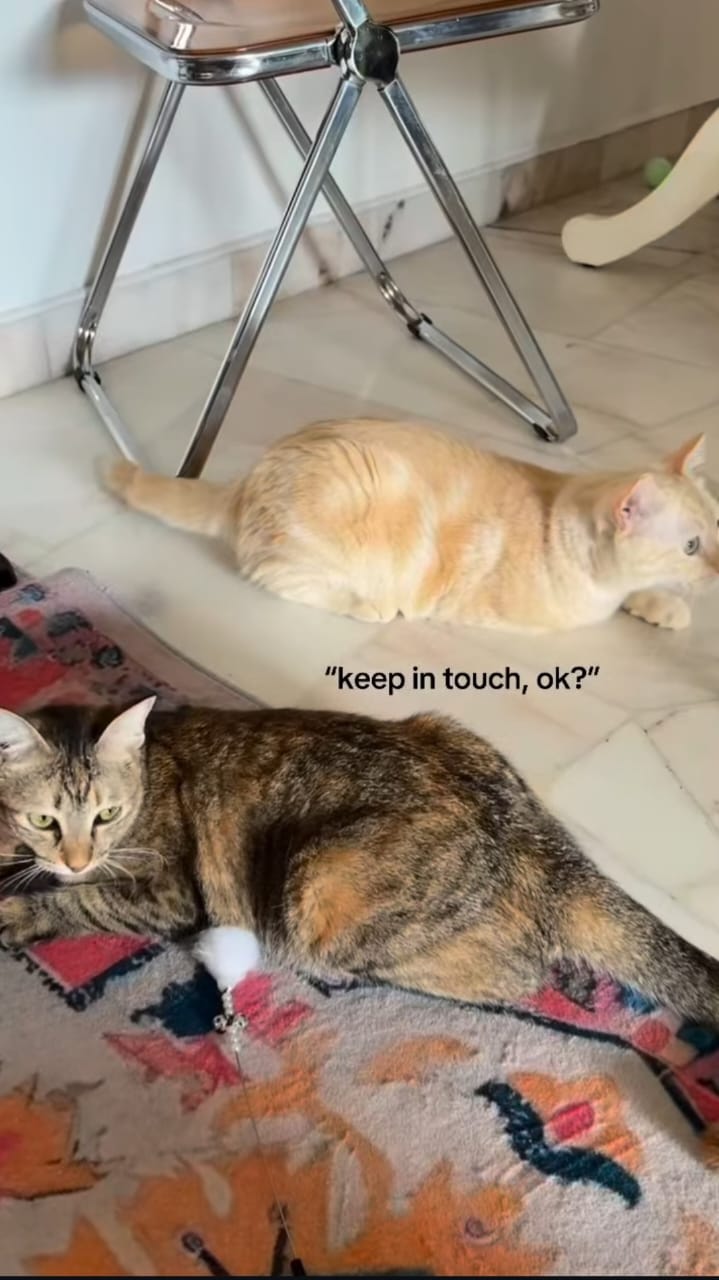 Image Credit: Kolektif Kucing | Instagram
“Miso was our first three-legged cat. He was rescued by Kya and needed a foster home that focused on his recovery in a free-roaming space. Jiji was the opposite; she was rescued by Aunty Rozita and was a total social butterfly from Day 1."
They shared, "Although Miso and Jiji are not blood-related, they bonded quickly. We’d often find them sleeping next to each other, grooming, or playing together throughout the day. When a lovely family from Kerteh, Terengganu reached out to adopt them as a pair, we were thrilled. I was still learning how to manage my emotional attachment to our fosters (yes, I cried).”
The couple was nervous about the three-hour journey Miso and Jiji had to endure, but ultimately relieved that the pair found a wonderful home.
What’s next for Kolektif Kucing
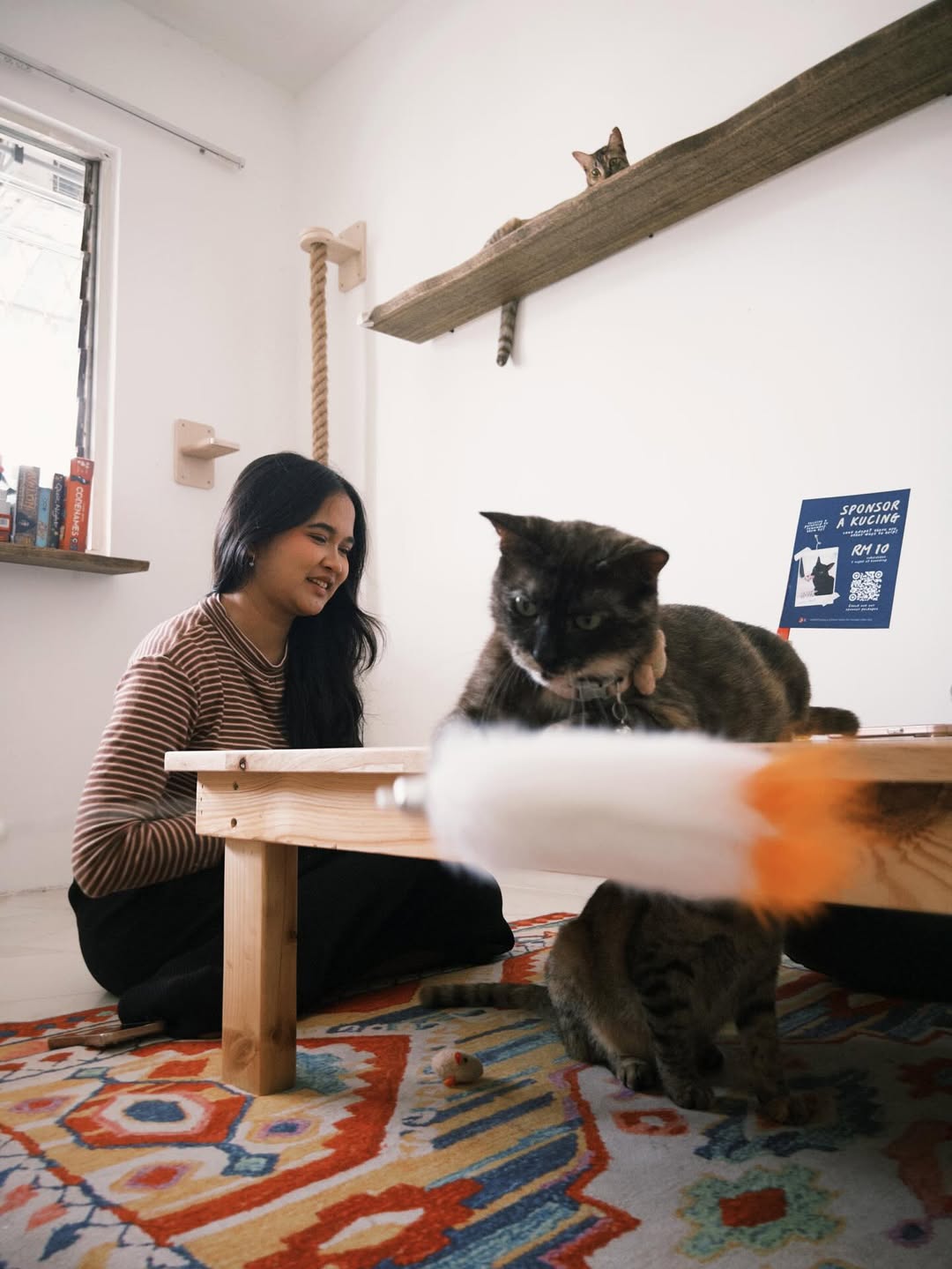 Image Credit: Kolektif Kucing | Instagram
For now, the couple aims to strengthen the Kolektif Kucing ecosystem by building a partner network to offer subsidised services. They also plan to expand their reach to pet owners, brands, and businesses through collaborations to ensure long-term sustainability for the foster homes.
"The biggest misconception is that rescuing is down to a small group of people. In reality, with the right resources and community support, anyone can become a rescuer. It’s all about sharing the burden, not shifting it!
If you’d like to learn more about Kolektif Kucing or are interested in volunteering, check out their Instagram page.
Featured Image Credit: Kolektif Kucing | Instagram
You may be interested in
Uniqlo AIRism Cotton Flare Dress | Long Sleeve
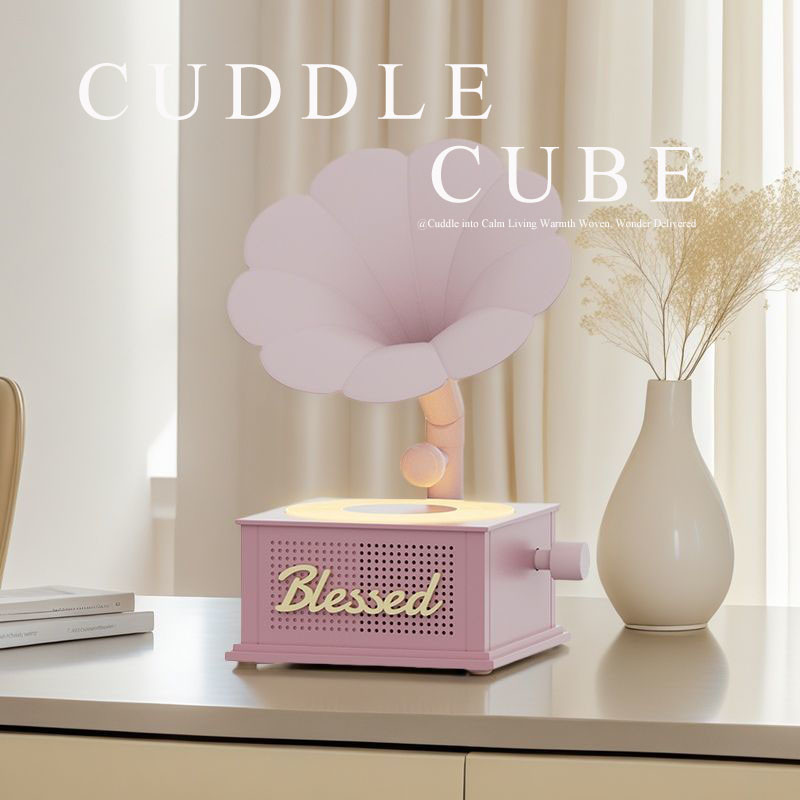
The mini retro gramophone Bluetooth speaker is compact and delicate, making it the top choice for gifts to girls. 复古音响-048

Tudung Bawal Cotton Bidang 45 NEW COLOUR Bucu Tajam Square Hijab

Walking Balloon Animals/Standing Cartoon Toys with Wheels