

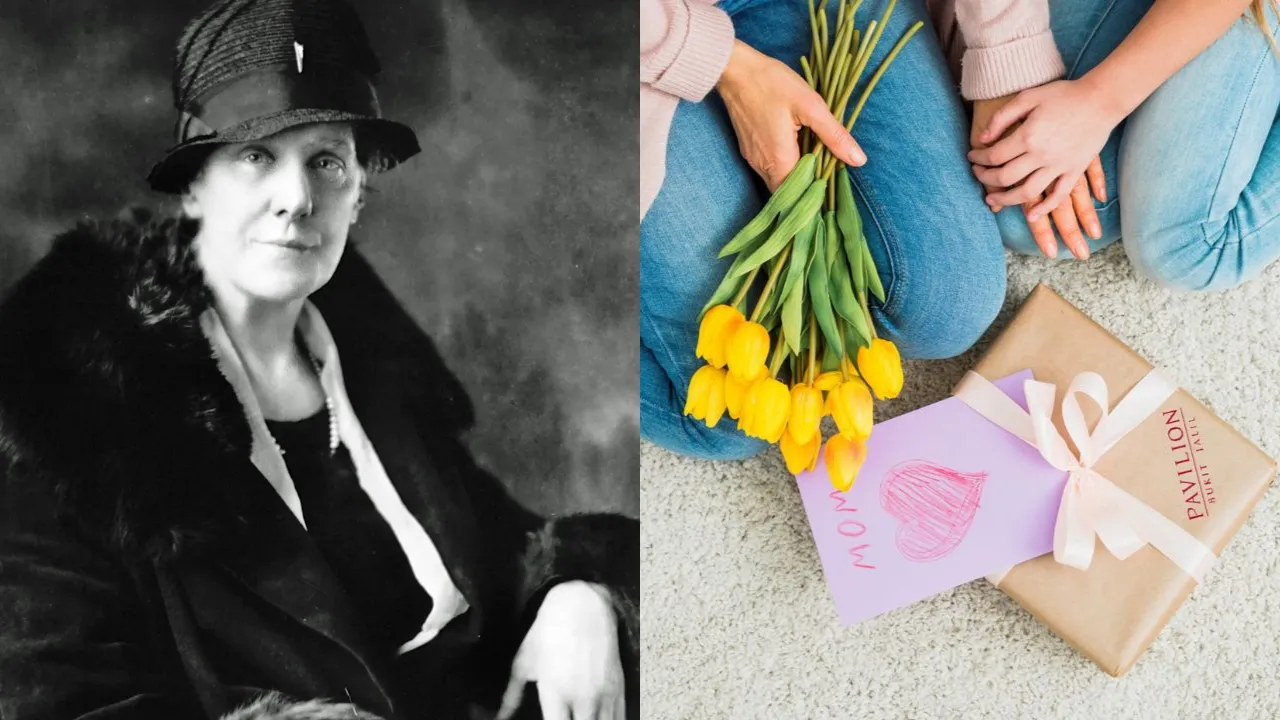
AI Brief
- Mother's Day was created by Anna Jarvis to honour her mother and recognise the hard work of all mothers, first celebrated in 1908 in West Virginia.
- Anna opposed the commercialisation of Mother's Day, spending much of her life fighting against businesses profiting from the holiday.
- Despite her efforts to rescind the celebration, Mother's Day became a national holiday and continues to be widely celebrated today.
Mother’s Day is just around the corner. Celebrated on the second Sunday in May, it is the day when we show appreciation to the mothers in our lives. Around this time of the year, it’s common to see flower and gift shops filled with bouquets paired with “Happy Mother’s Day” balloons, while restaurants and brands roll out special promotions to mark the occasion.
While it’s certainly sweet to have a special day dedicated to celebrating our mothers, the woman who pioneered this celebration over a century ago may not have been too pleased with what the occasion has become today. So much so that she spent much of her life fighting against the celebration she had originally created to honour her own mother.
Who is Anna Jarvis?
Anna Jarvis was one of 13 children, but only four of them (including Anna) made it to adulthood. She was originally from Grafton, West Virginia, and later moved to Philadelphia in 1892. Only her older brother went on to have children of his own, though many of them died young from tuberculosis.
Anna’s idea of having a day to celebrate mothers actually came from her own mother, Ann Reeves Jarvis, who spent her life advocating for better healthcare for women and children.
Anna’s mother was a very active member of the Methodist Episcopal Church. From 1858, she ran Mother’s Day Work Clubs to combat the high infant and child mortality rates, largely caused by diseases that plagued their community in Grafton, West Virginia.
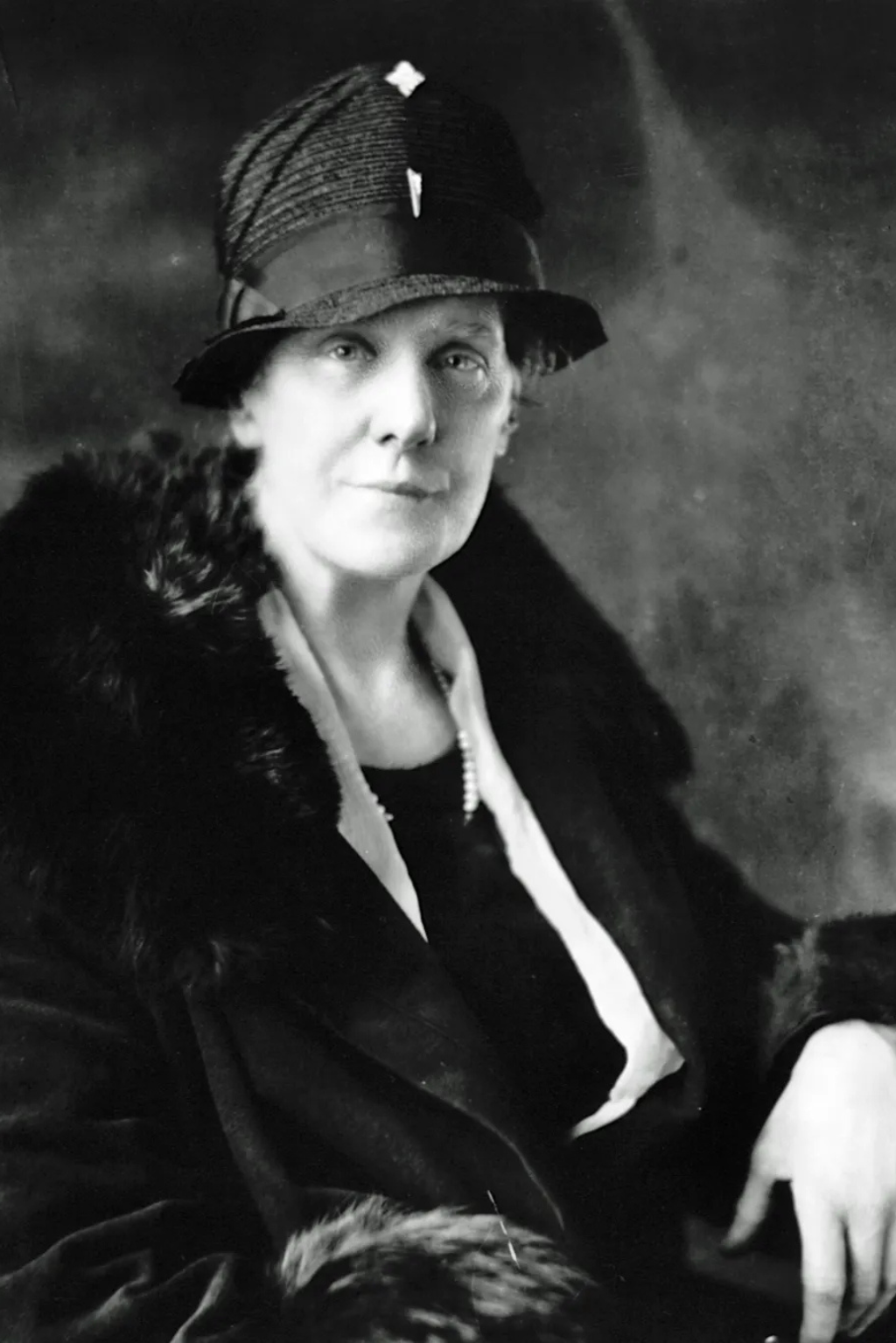 Image Credit: BBC
Through these Work Clubs, Anna’s mother taught other mothers about hygiene and sanitation. The organisers also provided medicine and supplies to sick families and, when necessary, quarantined entire households to prevent the spread of disease.
According to historians, Anna’s mother believed that mothers should have a day to be recognised and appreciated for all their work.
“I hope and pray that someone, sometime, will found a memorial Mother’s Day commemorating her for the matchless service she renders to humanity in every field of life. She is entitled to it,” Anna’s mother once said.
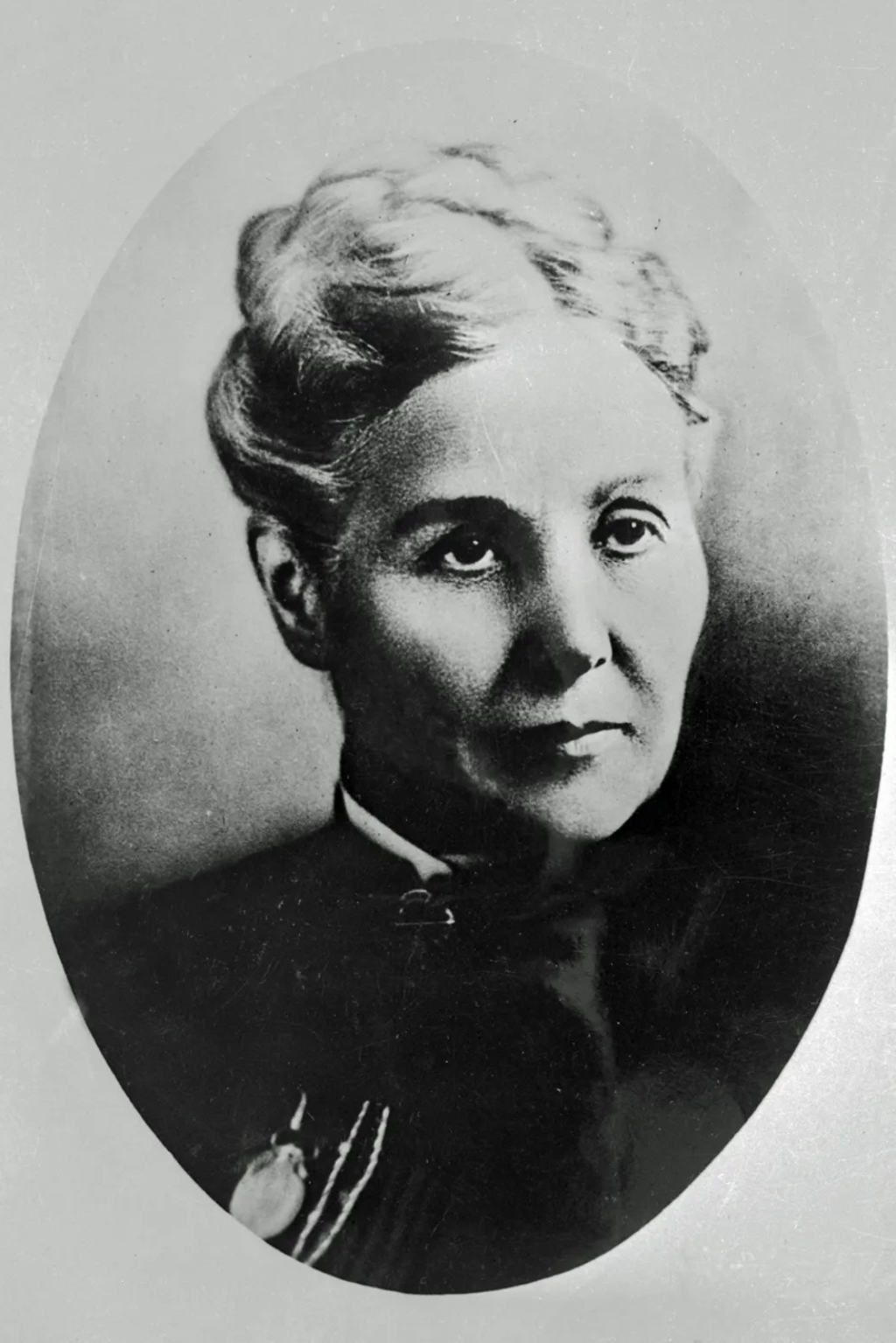 Image Credit: BBC
Ann Reeves Jarvis later passed away in 1905, most likely due to disease. A heartbroken Anna made a promise to fulfil her mother’s dream of having a day to recognise mothers.
“For the best mother who ever lived – your mother.”
For Anna, she envisioned Mother’s Day as a homecoming occasion to honour mothers, the one person who had dedicated their entire life to their children.
Her motto for the special day was: “For the best mother who ever lived – your mother.”
Three years after her mother’s death, the first Mother’s Day was celebrated at Andrews Methodist Church in Grafton. As for why Mother’s Day is celebrated on the second Sunday in May, Anna purposely chose this timing so it would always be close to the day her mother passed away—9 May.
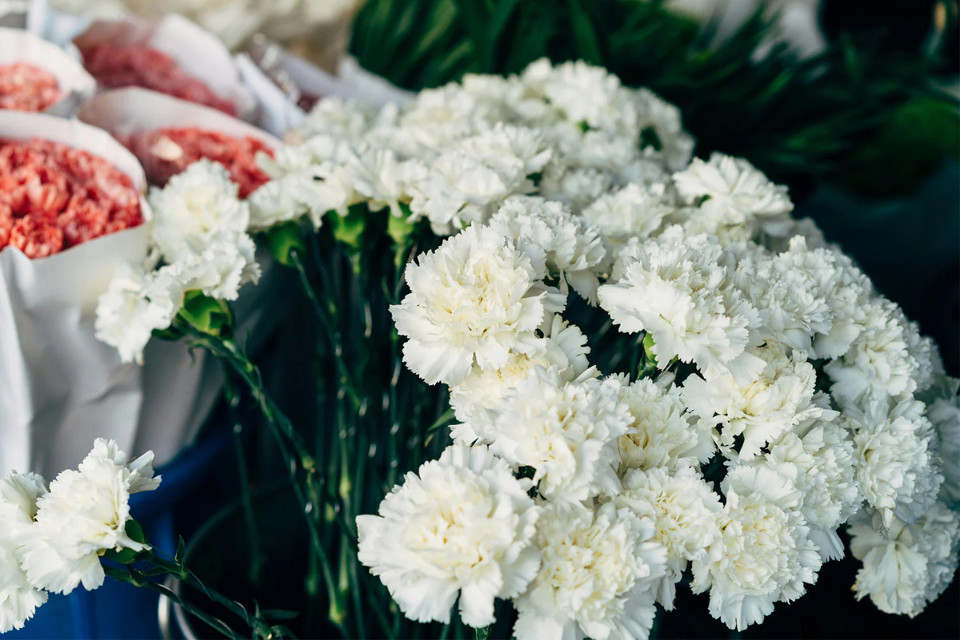 Image Credit: BloomThis
During the celebration, Anna handed out hundreds of her mother’s favourite flower, the white carnation, to mothers who attended.
The commercialisation of Mother’s Day
Anna had never wanted Mother’s Day to become commercialised, but it soon became exactly that.
The popularity of the celebration grew exponentially, and in 1910, Mother’s Day became a West Virginia state holiday. Four years later, it was designated a national holiday by President Woodrow Wilson.
With the celebration now widely recognised, businesses soon began profiting from it, and Anna was absolutely horrified.
 Image Credit: Freepik
When she found out that the price of carnations had skyrocketed, she went to the press to condemn florists, saying:
“What will you do to rout charlatans, bandits, pirates, racketeers, kidnappers and other termites that would undermine with their greed the finest, noblest and truest movements and celebrations?”
Deeply upset by the commercialisation of a celebration she held dear, Anna began urging people not to buy flowers at all by 1920. On top of that, she also opposed any organisations that used her day of celebration, even charitable groups raising funds to help poor mothers.
She spent her entire life fighting against the celebration she had once created
While the celebration undeniably became profitable for many businesses, Anna never took advantage of it. In fact, she refused money offered to her by the florist industry, despite not being well-off herself.
Though she and her sister, Lillian, received some inheritance from their father and brother, who ran a taxi business in Philadelphia, Anna went on to spend every penny she had fighting against the commercialisation of Mother’s Day.
By the age of 80, Anna was almost blind, deaf, and destitute. She was cared for in a sanatorium in Philadelphia. There have been rumours that her care was secretly funded by the floral and card industries, though this was never verified.
One of her final acts in opposing the celebration she once held dear was going door to door in Philadelphia, asking for signatures to support an appeal to have Mother’s Day rescinded.
 For illustration purpose only
Image Credit: Freepik
Anna later passed away from heart failure in November 1948. Her sister, Lillian, died of carbon monoxide poisoning while trying to heat their run-down home.
Though no one was able to help Anna in her efforts to cancel Mother’s Day, her family honoured her memory in another way, by not celebrating it for several generations.
Despite this, one of her descendants, Jane Unkefer, later said she had changed her mind about the celebration:
“It’s sort of a poignant story because there’s so much love in it, and I think what has come out of it is a nice thing. People do remember their mom, just the way she would have wanted them to.”
Featured Image Credit: BBC, RiseMalaysia
You may be interested in
1pcs random Sonny Angel HIPPERS - Harvest Series Mini Figure Blind box Cute Hippers decoration Line up?12 types
GJ Jewellery Emas Korea Emas Bangkok 24K Woman Anklet Daun/Jubin Sliver Gold/Gila-gila Love (26cm-27cm) GA-8
![[REJURAN] Turnover Mask 5 Sheets | Hydration, Skin Renewal, Soothing, Glow](https://d3lmgsai2rsy7d.cloudfront.net/astro-products/2026/07/08/6a4dc59c3f4c75.50851671-sg-11134207-824h6-mpsyplv65cenbd)
[REJURAN] Turnover Mask 5 Sheets | Hydration, Skin Renewal, Soothing, Glow

Popia Udang Gulung Dapur Ummi
![[NEW] Tracey Easy Off-Trail Card Holder With Lanyard Dompet Kad Wanita](https://d3lmgsai2rsy7d.cloudfront.net/astro-products/2026/07/08/6a4dc59cb6ba80.79699010-sg-11134201-82588-mfrz4om8r9cdd0)