
AI Brief
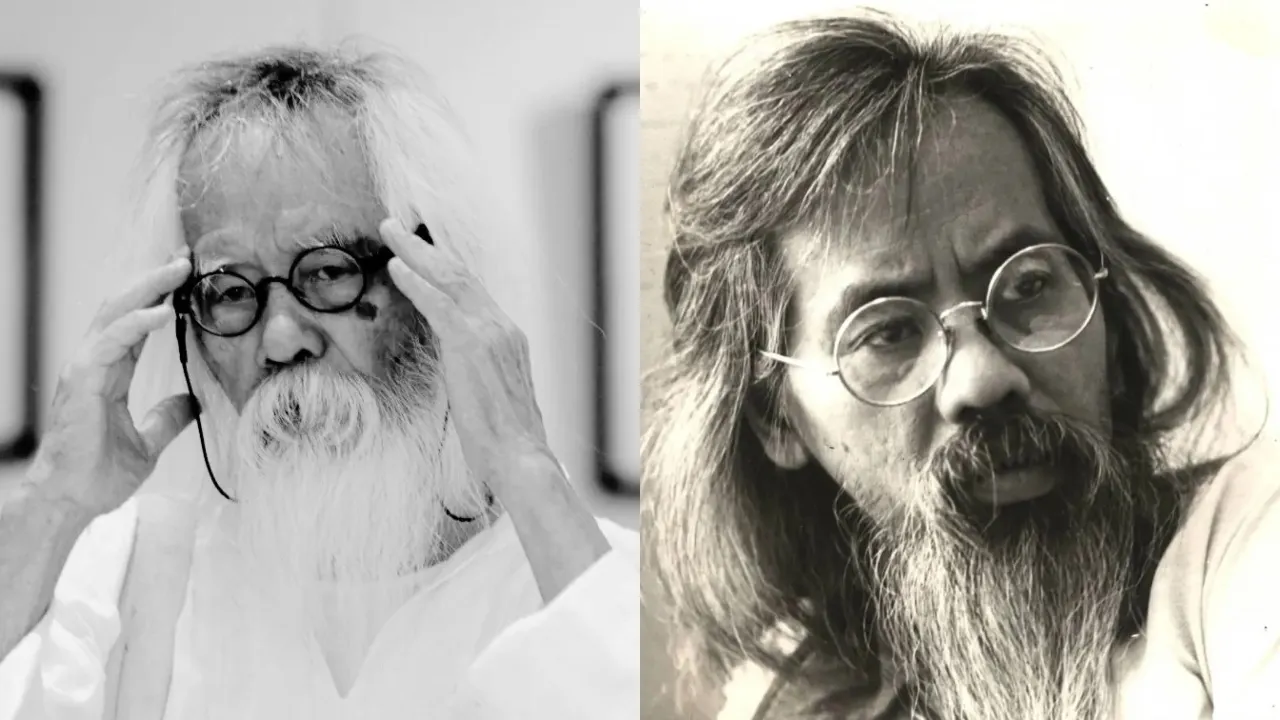
- Datuk Seri Dr A. Samad Said, Malaysia’s fourth National Laureate, passed away on 24 November 2026 at the age of 91.
- He was best known for his debut novel, Salina, which is widely regarded as a landmark work of Malaysian literature and has received international recognition.
- Over a literary career spanning more than seven decades, he received numerous prestigious honours, including the S.E.A. Write Award and the title of Datuk Seri.
National Laureate Datuk Seri Dr A. Samad Said passed away on Tuesday (24 November) at the age of 91. His passing has been widely regarded as a profound loss to Malaysia’s literary and cultural landscape.
According to The Star, news of his passing was announced by his second son, Helmy Abdul Samad, on social media.
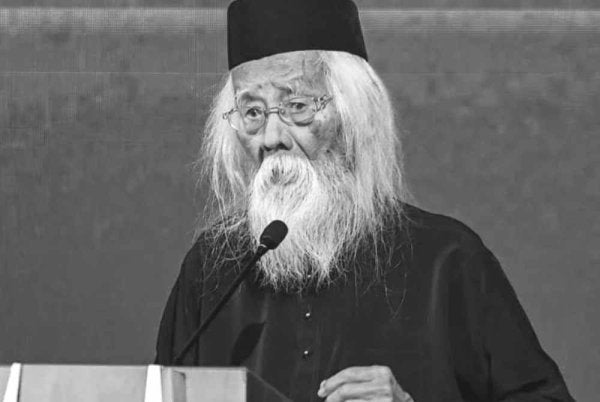 Image Credit: Sinar Harian
It was reported that the writer, affectionately known as Pak Samad, had been undergoing treatment at Hospital Kuala Lumpur (HKL) after being admitted on Monday due to age-related ailments.
Following the news of his passing, here are five facts about the literary icon and his remarkable contributions to Malaysian literature.
1. He was born in Melaka
The late A. Samad Said, whose full name was Abdul Samad Muhammad Said, was born on 9 April 1935 in Kampung Belimbing Dalam, Durian Tunggal, Melaka. He is survived by five children.
In 1958, he married fellow writer Datin Seri Saleha Abdul Rashid, who was better known by her pen name, Salmi Manja. A poet, novelist and former journalist, she passed away in December 2023.
He later married his second wife, Rashidah Md Dahan, in 1979.
2. He was a hospital clerk before becoming a journalist
Although he was born in Melaka, A. Samad Said grew up in Singapore, where he received his early education at Kota Raja Malay School before continuing his studies at Victoria Institution.
After completing his education, he began his career as a clerk at Singapore General Hospital. He later moved to Kuala Lumpur and ventured into journalism with the newspaper Fikiran Rakyat.
A few months later, he returned to Singapore and joined Utusan Zaman, which, together with Utusan Melayu, was part of the Utusan Group led by renowned Malaysian poet and novelist Usman Awang. When the company later relocated to Kuala Lumpur, he followed and assisted Usman Awang in managing Mastika magazine.
He was eventually appointed Head of Literary Development at the New Straits Times. In 1987, he resigned from his editorial position at Berita Harian to focus entirely on writing.
3. His first novel became his most celebrated work
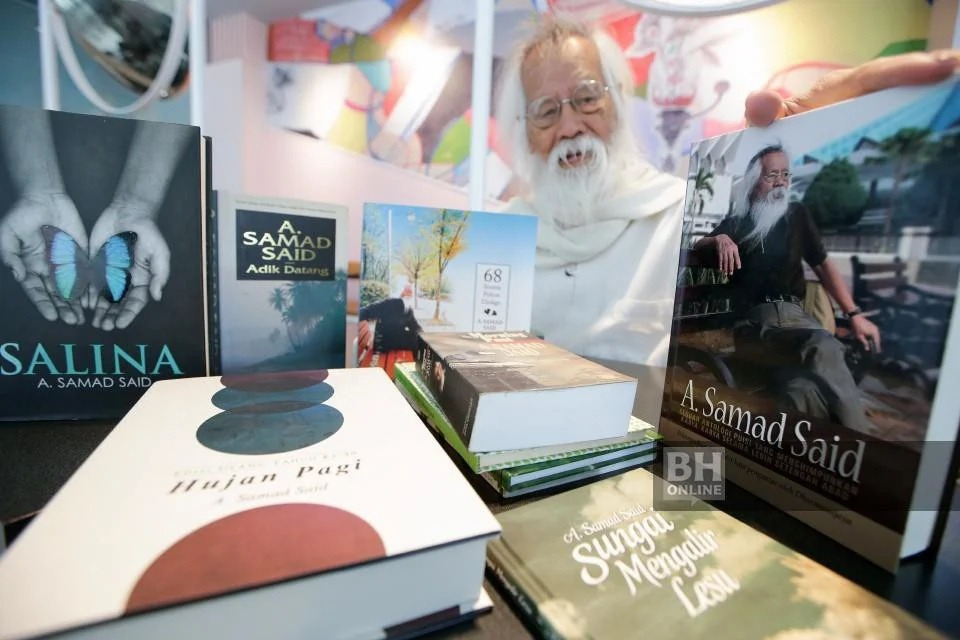 Image Credit: Berita Harian
While A. Samad Said was known for his extensive body of literary works, his first novel arguably became his greatest literary achievement.
Originally titled Gerhana, the manuscript was recognised in a Dewan Bahasa dan Pustaka (DBP) novel-writing competition in 1958 before being renamed Salina and published in 1961.
The novel was inspired by the impoverished neighbourhood where he once lived and the people he met there. It was widely regarded as groundbreaking for its willingness to confront difficult social realities while portraying marginalised communities with empathy and dignity.
Beyond Malaysia, Salina has also attracted international scholarly attention and has been translated into several languages.
4. He was one of Malaysia’s most decorated literary figures
Over a literary career spanning more than seven decades, A. Samad Said received numerous prestigious honours, including Pejuang Sastera (1976), the S.E.A. Write Award (1979), Sasterawan Nusantara (1999) and the Merdeka Award (2024).
In 1997, he was conferred a Melaka state honour carrying the title "Datuk". Two decades later, he received the Darjah Gemilang Pangkuan Negeri, which carries the title "Datuk Seri".
In October 2003, he was also awarded an Honorary Doctorate in Literary Education by Universiti Pendidikan Sultan Idris (UPSI).
5. He was Malaysia’s fourth National Laureate
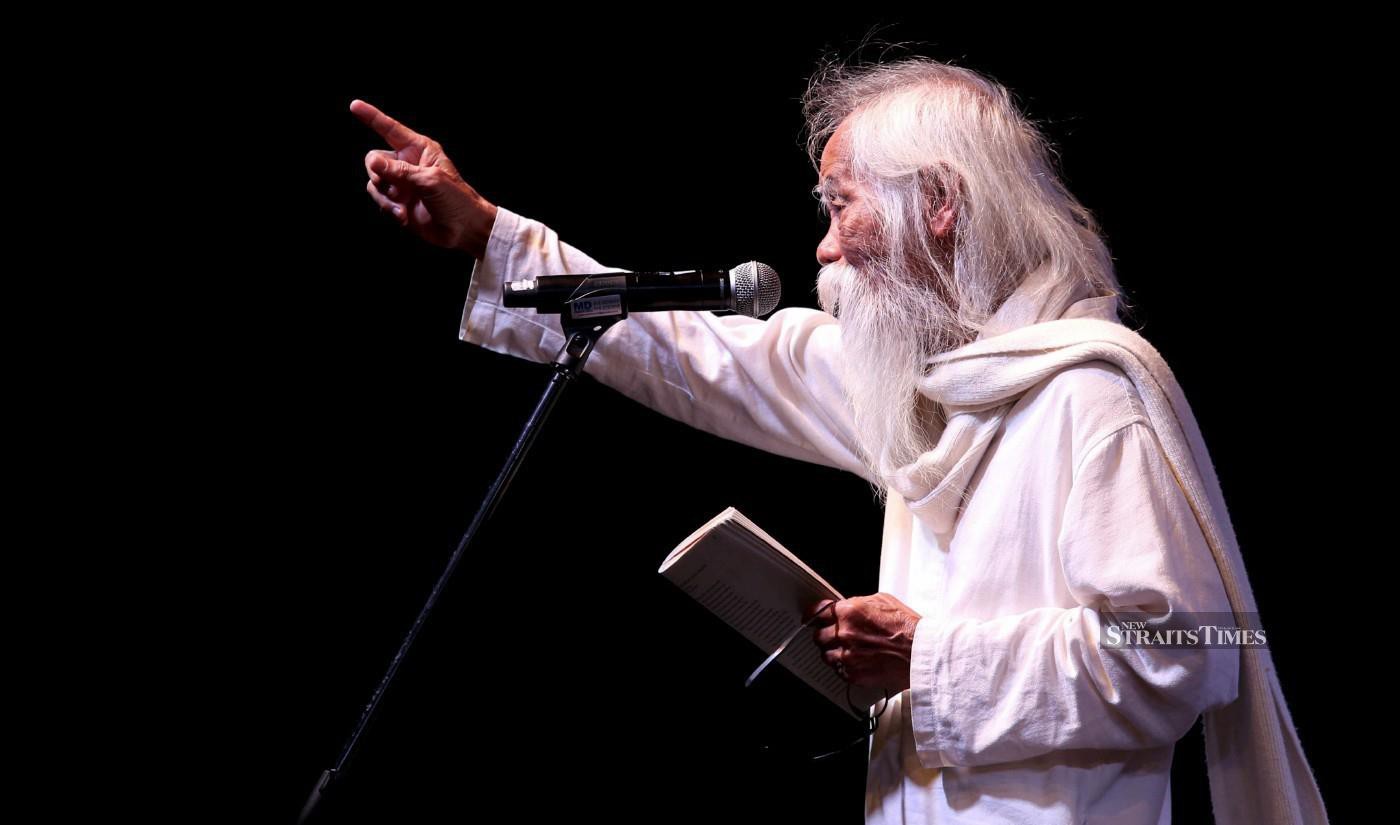 Image Credit: NST
Perhaps one of A. Samad Said’s most notable achievements was being named Malaysia’s fourth National Laureate in 1985, one of the country's highest literary honours.
Apart from writing under the name A. Samad Said, he also used several pseudonyms throughout his career, including Hilmy (or Hilmy Isa), Isa Dahmura, Jamil Kelana, Manja, Mesra and Shamsir.
Featured Image Credit: Berita Harian, The Star
You may be interested in

1pcs random Sonny Angel HIPPERS - Harvest Series Mini Figure Blind box Cute Hippers decoration Line up?12 types
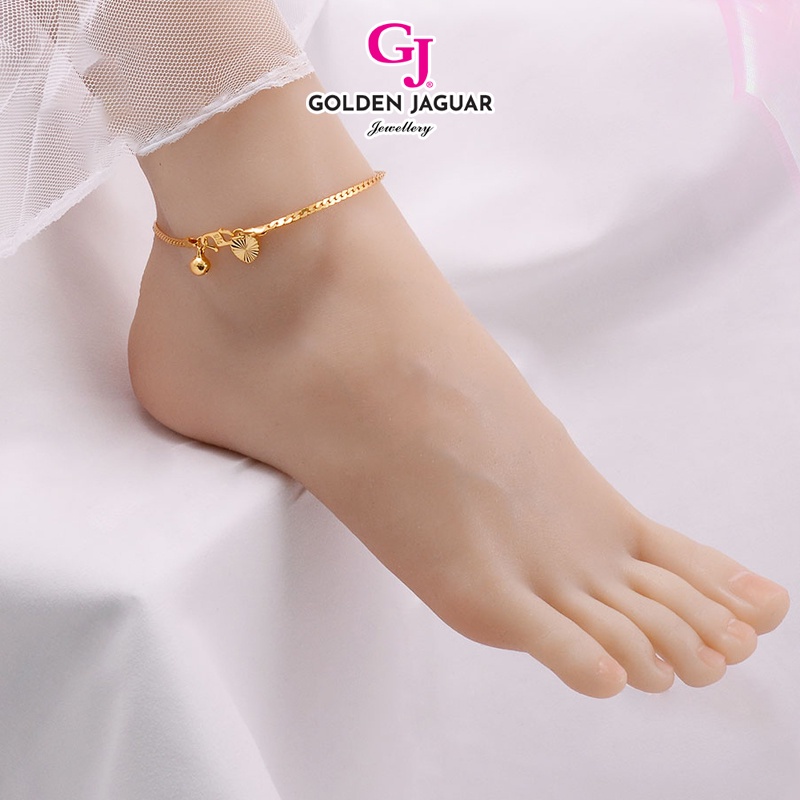
GJ Jewellery Emas Korea Emas Bangkok 24K Woman Anklet Daun/Jubin Sliver Gold/Gila-gila Love (26cm-27cm) GA-8

[NEW] Tracey Easy Off-Trail Card Holder With Lanyard Dompet Kad Wanita
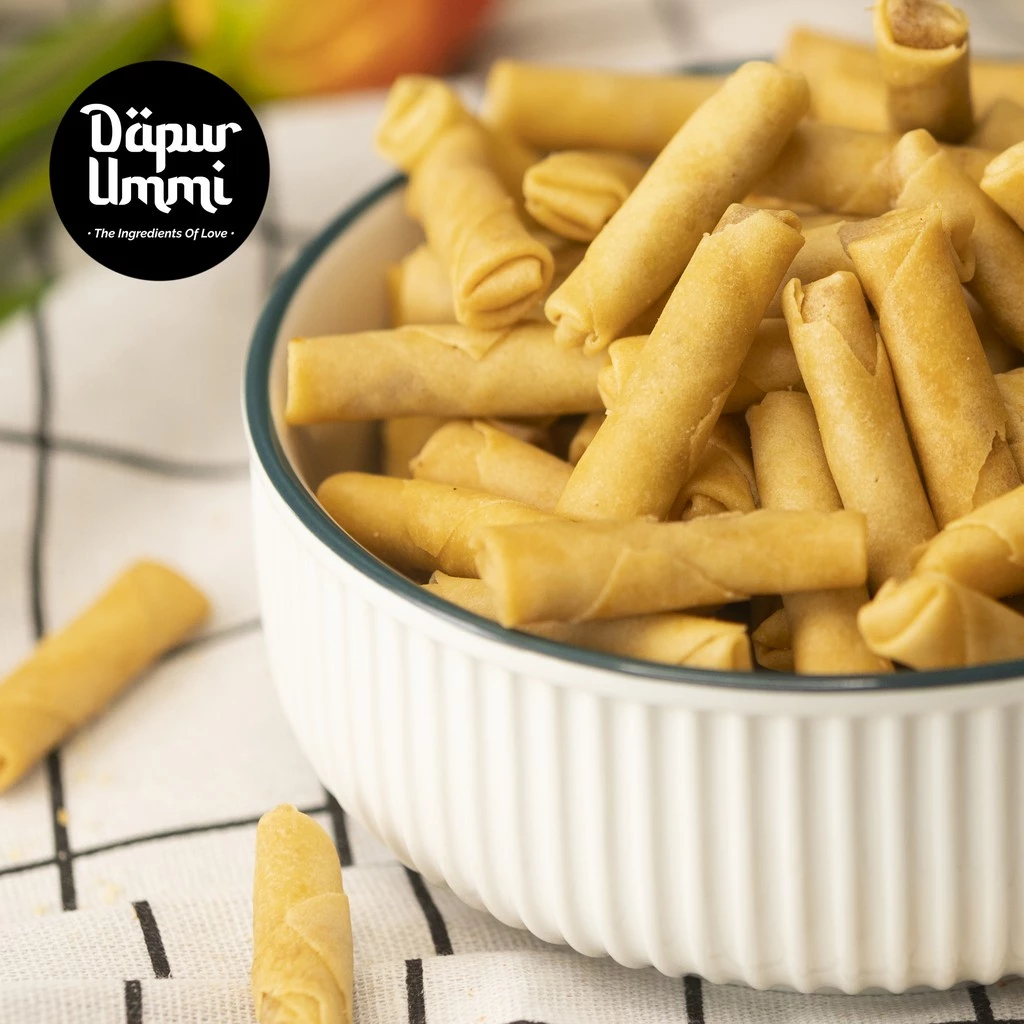
Popia Udang Gulung Dapur Ummi