
AI Brief
- Haze from forest fires in Kalimantan has caused severe air pollution, with the Air Pollution Standard Index exceeding 1,000 and affecting thousands, including young children.
- The Malaysian government is open to introducing legislation similar to Singapore's Transboundary Haze Pollution Act to tackle cross-border haze issues.
- Challenges to such legislation include enforcing the law and obtaining sufficient evidence to identify the pollution sources and responsible parties.
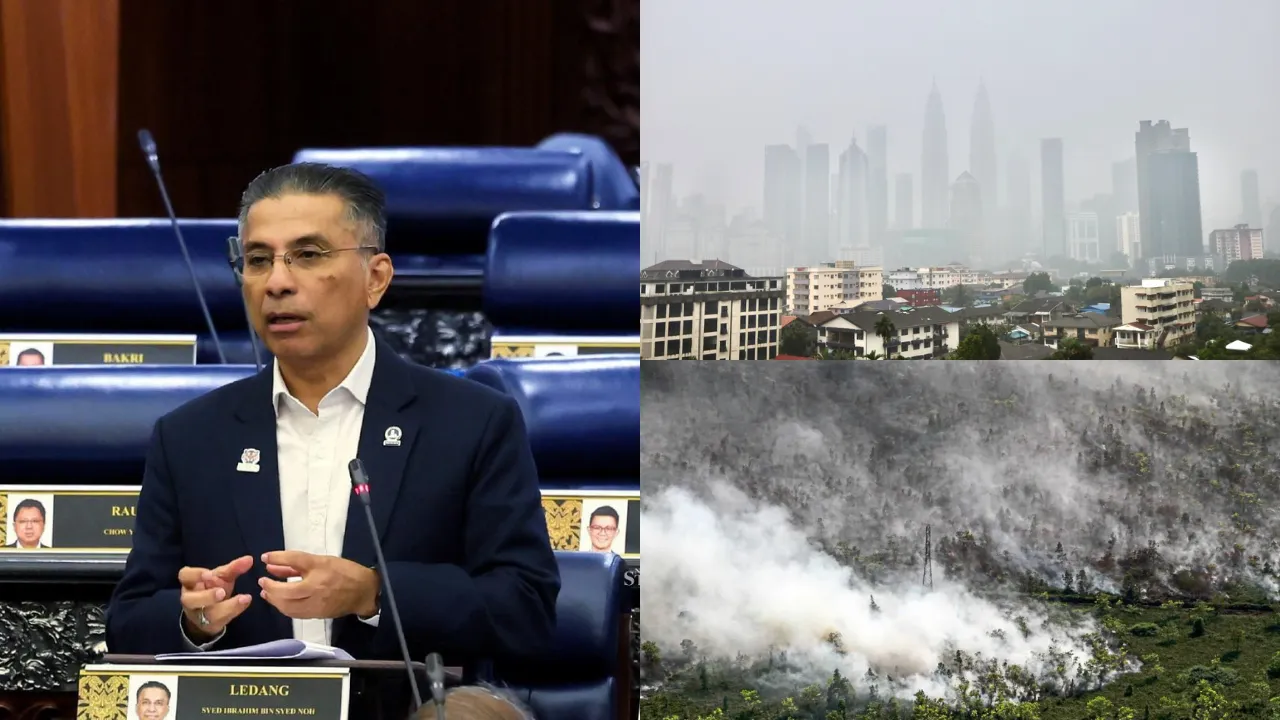
It's no secret that many countries in Southeast Asia, including Malaysia, are facing a haze crisis following ongoing forest and peatland fires in Kalimantan, Indonesia.
The situation has become so severe that the Air Pollution Standard Index (ISPU) in Central Kalimantan has exceeded 1,000, far above the hazardous threshold of 300. As a result, the skies over Palangka Raya have reportedly turned orange.
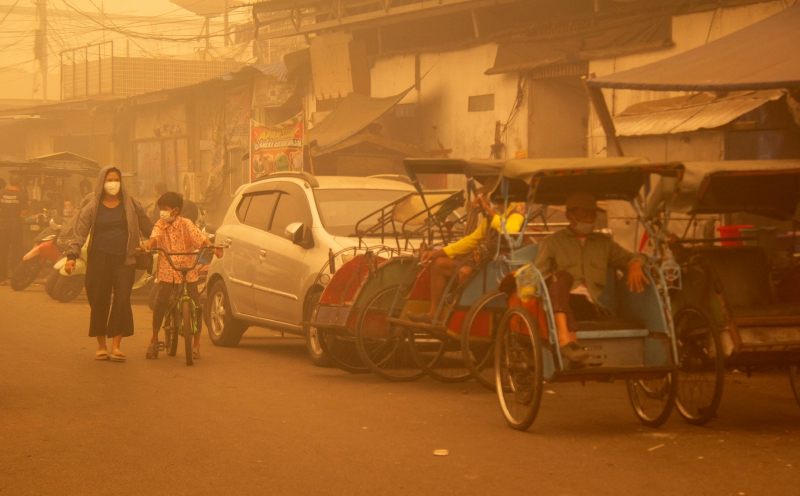 Image Credit: NST
According to a BBC report, as of mid-October, Indonesia's Health Ministry had recorded more than 277,000 cases of chronic coughs and acute respiratory infections linked to the haze. More than 62,000 of those affected were infants and toddlers under the age of five.
“As to whether we can introduce such legislation, the answer is yes”
Meanwhile, the Malaysian government is open to introducing legislation to address transboundary haze pollution. However, there is a catch.
During a Dewan Rakyat sitting, Bangi MP Syahredzan Johan asked whether the government would consider introducing a law on transboundary haze pollution similar to Singapore's Transboundary Haze Pollution Act, which has been in force since 2014.
 Image Credit: NST
Responding to the question, Deputy Natural Resources and Environmental Sustainability Minister Syed Ibrahim Syed Noh said there is no objection in principle to such legislation, but clear mechanisms must be in place to ensure effective enforcement.
“As to whether we can introduce such legislation, as Singapore has done, the answer is yes. There is no obstacle if we determine that such legislation is necessary.
“However, when drafting any Act, there must be methods and mechanisms to ensure that the legislation is truly necessary, enforceable, and functions effectively as a punitive instrument that allows penalties to be imposed and legal action to be taken,” he said, as quoted by The Star.
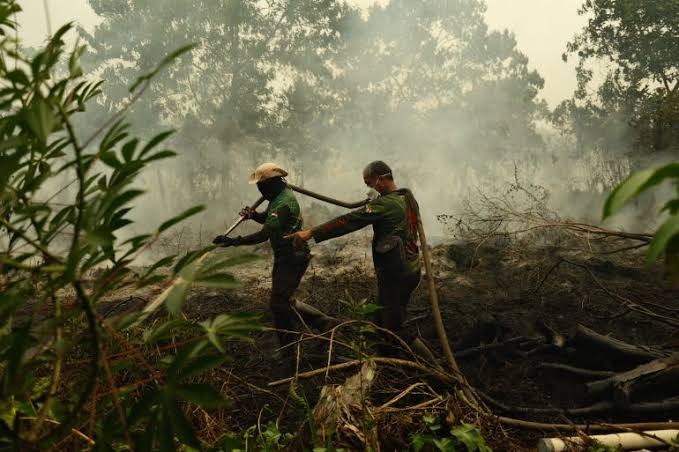 Image Credit: Al Jazeera
Syed Ibrahim added that one of the biggest challenges in introducing a transboundary haze law is obtaining sufficient evidence to determine the source of the pollution. There are also difficulties in identifying the parties responsible.
According to him, gathering the necessary evidence would require access to information such as the coordinates of fire hotspots, land ownership records, details of parties carrying out activities in the affected areas, and proof linking the fires to the resulting haze pollution.
Featured Image Credit: NST, The Star
You may be interested in

[NEW] Tracey Easy Off-Trail Card Holder With Lanyard Dompet Kad Wanita

1pcs random Sonny Angel HIPPERS - Harvest Series Mini Figure Blind box Cute Hippers decoration Line up?12 types

[REJURAN] Turnover Mask 5 Sheets | Hydration, Skin Renewal, Soothing, Glow

GJ Jewellery Emas Korea Emas Bangkok 24K Woman Anklet Daun/Jubin Sliver Gold/Gila-gila Love (26cm-27cm) GA-8