

AI Brief
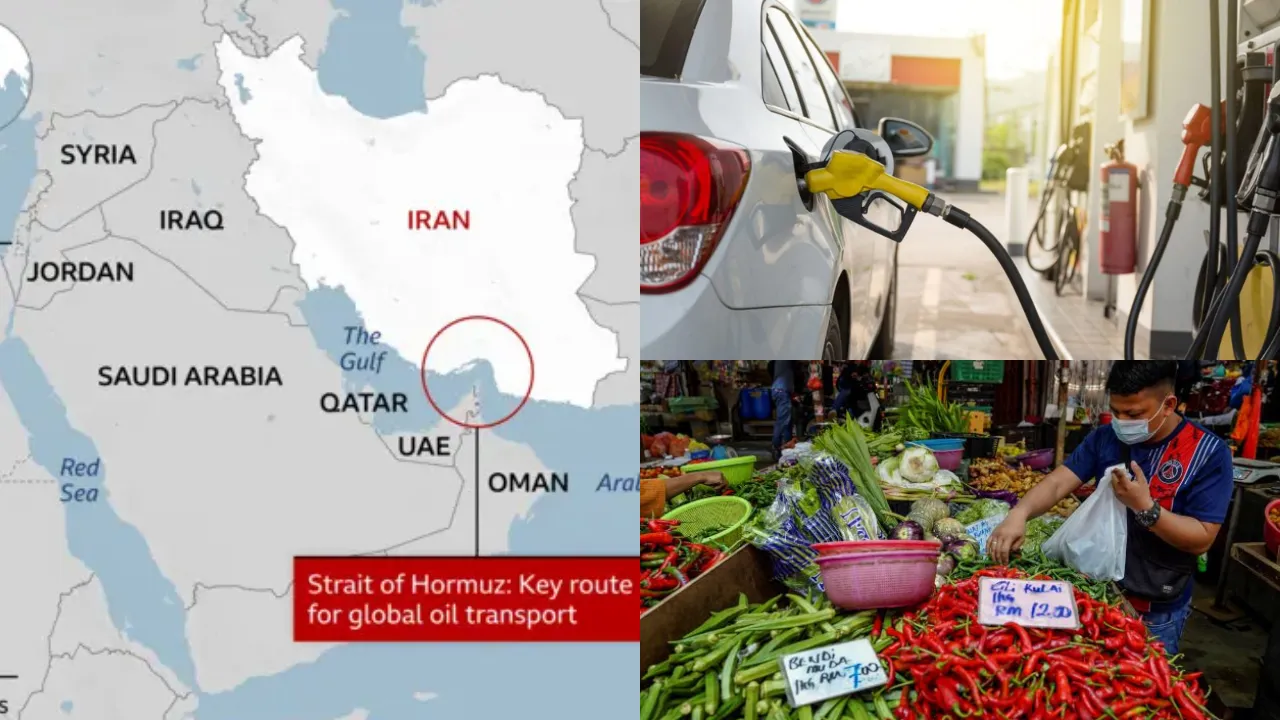
- Tensions in the Middle East have led Iran to close the Strait of Hormuz, a critical global oil shipping route, affecting fuel supplies in several countries, including Malaysia.
- The Malaysian government has reduced the monthly BUDI95 fuel quota to 200 litres starting April 1 in order to maintain the price of RON95 at RM1.99 per litre and cushion the impact of rising global oil prices.
- Bank Negara Malaysia has reaffirmed that the country remains in a strong position as a net energy exporter, while Malaysian-owned vessels are expected to pass safely through the Strait of Hormuz without having to pay toll charges.
Since late February this year, tensions in the Middle East have escalated sharply following the onset of military conflict involving Iran, the US and Israel. The conflict has since led Iran to effectively block the Strait of Hormuz, one of the world’s busiest oil shipping routes.
What does the closure of the Strait of Hormuz mean?
Bounded to the north by Iran and to the south by Oman and the United Arab Emirates (UAE), the strait connects the Persian Gulf with the Arabian Sea.
Stretching about 50km wide at its entrance and exit, and narrowing to about 33km at its narrowest point, the Strait of Hormuz is used not only by Iranian oil tankers but also by vessels from countries such as Iraq, Kuwait, Qatar, Saudi Arabia and the UAE.
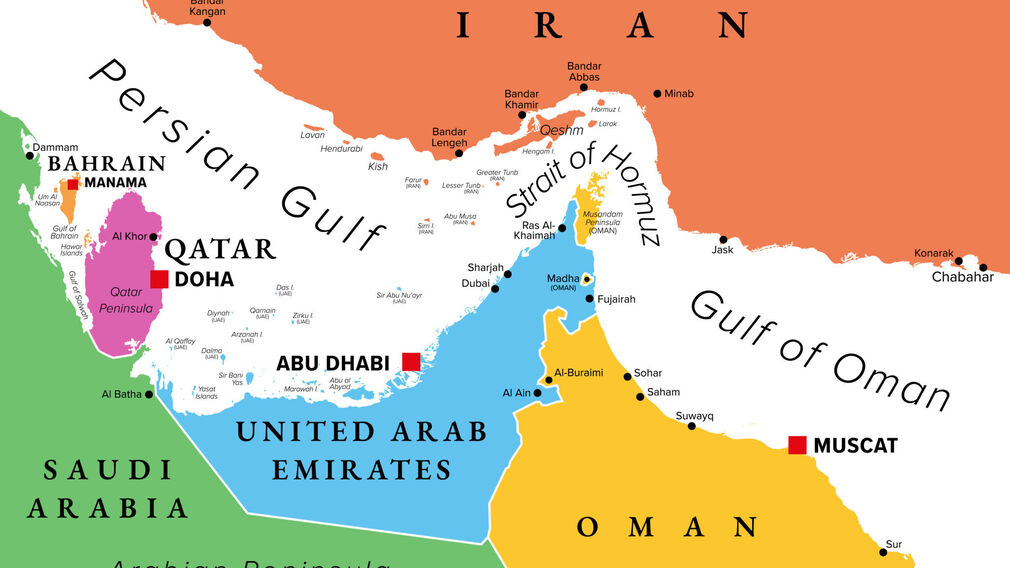 Image Credit: Oils & Fats International
The BBC reported that in 2025, about 20 million barrels of oil and petroleum products passed through the Strait of Hormuz daily, according to estimates from the US Energy Information Administration (EIA). This amounts to an estimated US$600 billion worth of energy trade annually.
As expected, the closure of one of the world’s most critical shipping channels has already triggered multiple issues, including fuel shortages reported in countries such as Thailand and the Philippines.
So, how does this affect Malaysians?
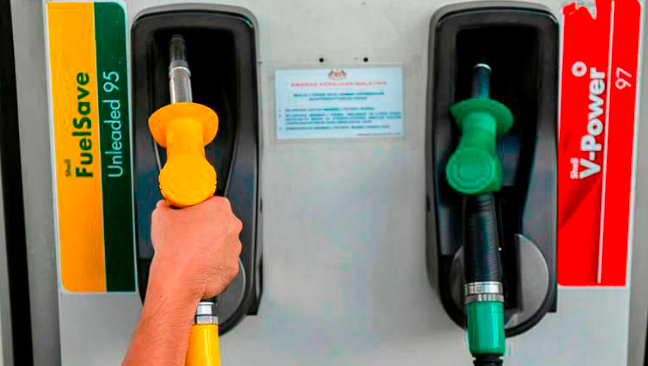 Image Credit: Malaysia MADANI
In Malaysia, fuel prices are already rising, with RON97 currently priced at RM5.15 per litre and diesel at RM5.52 per litre.
Prime Minister Datuk Seri Anwar Ibrahim announced that the government will reduce the monthly BUDI95 fuel quota per individual to 200 litres. The new policy will take effect from April 1 and is aimed at cushioning the impact of rising global oil prices caused by the conflict.
Anwar also said that the move will ensure the price of RON95 petrol remains at RM1.99 per litre. Without government subsidies, RON95 would be priced at RM3.87 per litre.
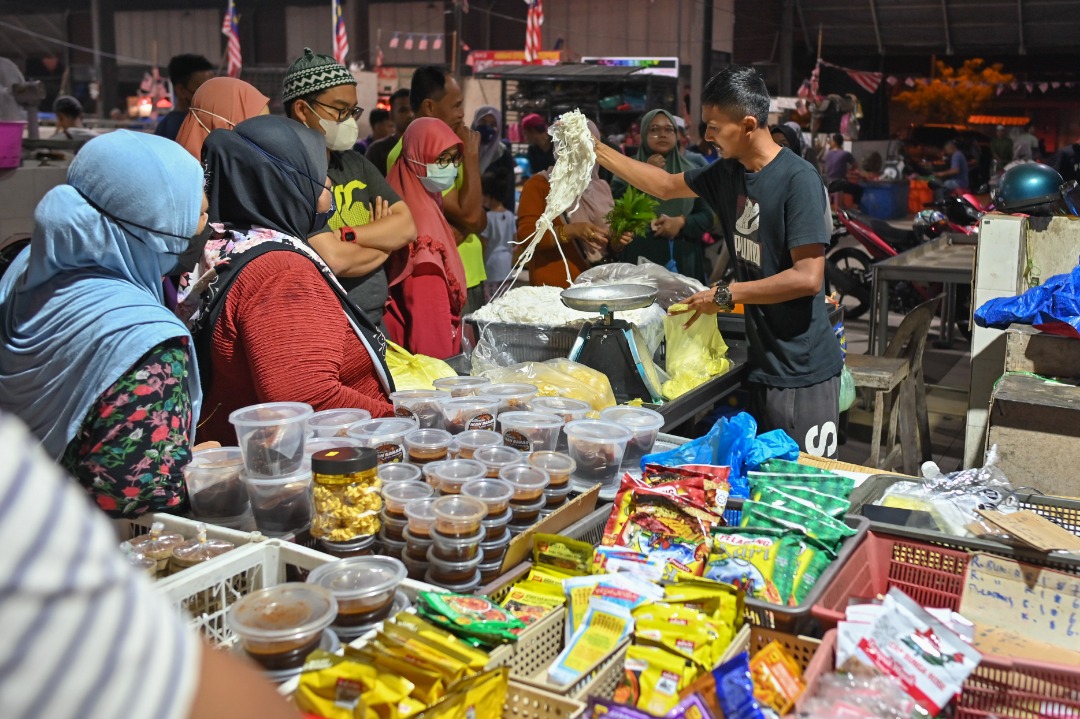 Image Credit: Utusan
In the meantime, while the Middle East conflict may not immediately impact Malaysians, experts have warned that its economic effects could gradually surface through rising food prices and higher living costs.
Universiti Utara Malaysia international relations expert Dr Bakri Mat said that if the conflict drags on, higher freight, energy and fertiliser costs could feed into imported inflation, ultimately affecting food prices in the country.
“Even if Malaysia does not import directly from the conflict zone, the country remains exposed to global benchmark prices and freight costs."
"Commodities likely to be affected include wheat and flour-based inputs, maize and feed grains, edible oils, as well as fertiliser inputs, which are closely tied to energy prices and shipping routes,” he said, as reported by NST.
“Malaysia is in a position of strength”
Separately, Bank Negara Malaysia (BNM) said that despite the ongoing conflict, Malaysia remains in a position of strength.
According to a report, Malaysia’s standing as a net energy exporter has provided a buffer against external headwinds. The country also benefits from robust domestic demand, moderate inflation, a sound financial sector and a resilient external position.
“Nevertheless, BNM will remain vigilant to the rapidly evolving nature of this conflict and stands ready to ensure that monetary policy remains supportive of the economy while safeguarding price stability.”
Malaysian-owned vessels to sail safely through Strait of Hormuz
It was also reported that at least seven Malaysian-owned vessels are expected to sail safely through the Strait of Hormuz within days, despite the ongoing conflict.
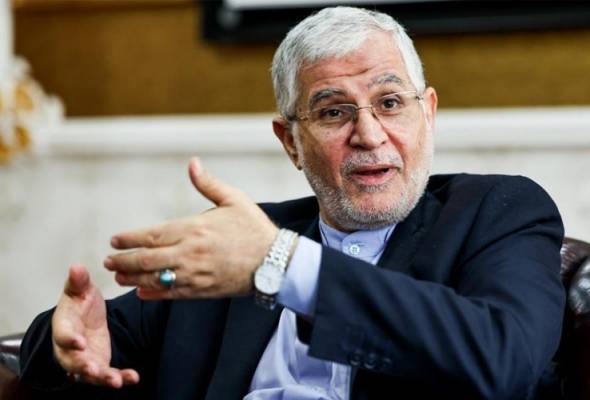 Image Credit: Astro Awani
Iranian Ambassador to Malaysia Valiollah Mohammadi Nasrabadi said Tehran had been informed of the vessels’ presence in the Persian Gulf and their intention to pass through the strait.
“We received information from Malaysia’s foreign minister that several Malaysian ships are in the Persian Gulf and want to pass through. We have considered this, and insya-Allah they will pass. There is no problem, as Malaysia is a friendly country and friendly countries may use the strait,” he said.
Valiollah also added that Malaysian vessels will be allowed to pass through the Strait of Hormuz without having to pay toll charges.
Featured Image Credit: Shutterstock, BBC, Utusan Malaysia
You may be interested in
![[NEW] Tracey Easy Off-Trail Card Holder With Lanyard Dompet Kad Wanita](https://d3lmgsai2rsy7d.cloudfront.net/astro-products/2026/07/08/6a4dc59cb6ba80.79699010-sg-11134201-82588-mfrz4om8r9cdd0)
[NEW] Tracey Easy Off-Trail Card Holder With Lanyard Dompet Kad Wanita

GJ Jewellery Emas Korea Emas Bangkok 24K Woman Anklet Daun/Jubin Sliver Gold/Gila-gila Love (26cm-27cm) GA-8

1pcs random Sonny Angel HIPPERS - Harvest Series Mini Figure Blind box Cute Hippers decoration Line up?12 types

Popia Udang Gulung Dapur Ummi
![[REJURAN] Turnover Mask 5 Sheets | Hydration, Skin Renewal, Soothing, Glow](https://d3lmgsai2rsy7d.cloudfront.net/astro-products/2026/07/08/6a4dc59c3f4c75.50851671-sg-11134207-824h6-mpsyplv65cenbd)