

AI Brief
- Festive seasons often lead us to eat fatty foods, drink more alcohol, and indulge in endless sweets — all of which can put a strain on the liver.
- Habits like late‑night eating, lack of sleep, and reduced physical activity can also disrupt liver function and the body’s metabolism.
- To care for your liver, try controlling your food portions, drink plenty of plain water, eat nutritious foods, and consider supplements like milk thistle or turmeric with guidance from a Caring Pharmacy pharmacist.
Festive seasons are all about gathering with loved ones, late-night catchups, and enjoying all the food we’ve missed all year. But while we’re celebrating, there’s one organ quietly working overtime behind the scenes — your liver.
As the body’s main detox and metabolic powerhouse, the liver processes everything you eat and drink, helps regulate blood sugar, supports digestion, and even contributes to your immune system. So when festive habits get a bit too festive… your liver feels it first.
Here are the 7 most common festive habits that strain your liver, along with simple, realistic swaps to help you stay healthy without missing out on the joy of the season.
1. Overindulging in rich & oily festive foods
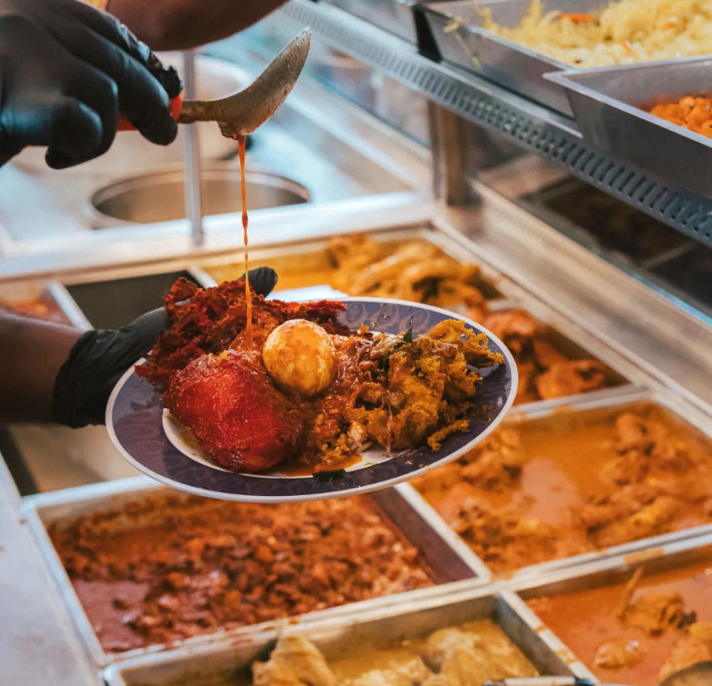 For illustration purpose only
Image Credit: Nasi Kandar Pelita
Think roast meats, curries, kuih, deep-fried snacks and kerepek, all eaten in one day (sometimes at multiple open houses!).
When you eat a lot of rich, oily, or processed foods, your liver has to work extra hard to break down the excess fats. Over time, this can lead to fat accumulation in the liver, increasing the risk of fatty liver disease and making it harder for your body to metabolise nutrients efficiently.
You don’t have to skip the festive food entirely, just balance it out. Try enjoying your favourite dishes in smaller portions while adding fibre-rich sides like vegetables or fruit to your plate. Spacing out heavy meals and mixing in lighter options throughout the day can also help your liver cope better.
2. Drinking more alcohol than usual
 For illustration purpose only
Image Credit: frimufilms on Freepik
Celebrations often come with beers, wines, cocktails, or "just one more" glass.
When you consume alcohol, your liver converts it into acetaldehyde, a toxic compound that can inflame and damage liver cells, especially when alcohol is consumed frequently or in large amounts. During festive seasons when drinking often increases, this repeated exposure can place significant stress on the liver.
Being more mindful about your drinking habits can make a big difference. Take your time with each drink, alternate with glasses of water, and set a personal limit before the celebration starts. Opting for lower-alcohol options or spacing out drinking days can also reduce the burden on your liver.
3. Snacking non-stop on sugary treats
Pineapple tarts, love letters, candies, sodas, bubble tea, sweetened drinks, sugar is everywhere during the festive season.
When you take in more sugar than your body can use, the liver converts the excess into fat and stores it. If this happens repeatedly — say, snacking the entire week of a festive celebration — the liver becomes overloaded, placing you at higher risk of developing fatty liver over time.
Although you can enjoy festive treats, try choosing them more intentionally. Swapping a few sugary snacks with fresh fruit, limiting sweet drinks, or simply reducing how often you snack throughout the day can help prevent sugar overload.
4. Eating at odd hours or skipping proper meals
Festive days rarely follow a normal schedule — leading to late-night feasts or skipping meals entirely.
Constantly changing your eating schedule can confuse your liver’s role in regulating blood sugar, forcing it to work harder to maintain balance. Irregular meals, especially late-night heavy eating, can also affect digestion and slow your metabolic processes.
A little structure goes a long way. Even if your day is packed, try to maintain some consistency in your meal times. Avoid overeating right before bed, and keep simple, balanced snacks on hand, like yoghurt, nuts, or fruit, to avoid long gaps without food.
5. Sleeping less & staying up late
 For illustration purpose only
Image Credit: Freepik
From midnight chats to late-night reunions, sleep often gets sacrificed during the festive season.
When you don’t get enough sleep, your body’s natural repair processes slow down, including those that help the liver detoxify, restore, and regenerate itself. Poor sleep can also disrupt hormones that regulate appetite, energy use, and metabolism, putting even more pressure on the liver.
Try to give your body some recovery time by maintaining a relatively consistent sleep schedule, even during festive periods. If late nights are unavoidable, balancing them with earlier nights on other days, relaxing before bed, or taking brief rest periods throughout the week can help support your liver’s natural recovery.
6. Moving less & sitting more
 For illustration purpose only
Image Credit: 123RF
Long drives, back-to-back visits, and marathon TV sessions after heavy meals can lead to minimal movement.
When you move less, your metabolism slows down, making it easier for fat to build up in the body, including around and inside the liver. Physical inactivity also affects how efficiently your liver processes nutrients and toxins.
Incorporating small sessions of movement into your day can make a big difference, even a short walk after meals helps digestion and metabolism. Light exercises, stretching, and aiming for regular physical activity throughout the week are simple ways to support your liver during a busy festive season.
7. Forgetting about proper nutrition
 For illustration purpose only
Image Credit: Freepik
Festive meals are fun, but they’re often unbalanced, low in nutrients, and high in sugar and fat. This is where the liver may lack the essential nutrients needed for its natural antioxidant processes.
When it comes to food, eating smart doesn’t have to be complicated. Some nutrients that support the body’s natural antioxidant system come from everyday foods.
Your liver relies on several key nutrients to function at its best. One of the most important is glutathione, a powerful antioxidant that your body produces naturally. Small amounts of glutathione can also be obtained from foods such as asparagus, spinach, broccoli, and fresh meats. Another essential nutrient is vitamin C, well-known for supporting immunity but also crucial for protecting cells from everyday oxidative stress. Vitamin C is commonly found in oranges, strawberries, bell peppers, kale, and kiwifruit.
In addition, your liver benefits from alpha-lipoic acid (ALA), an antioxidant that helps support several metabolic and detoxification processes. ALA occurs naturally in foods like spinach, broccoli, and organ meats. Meanwhile, cysteine, an amino acid found in chicken, eggs, dairy, and seeds, plays an important role in the formation of glutathione and therefore supports the liver’s natural antioxidant defences.
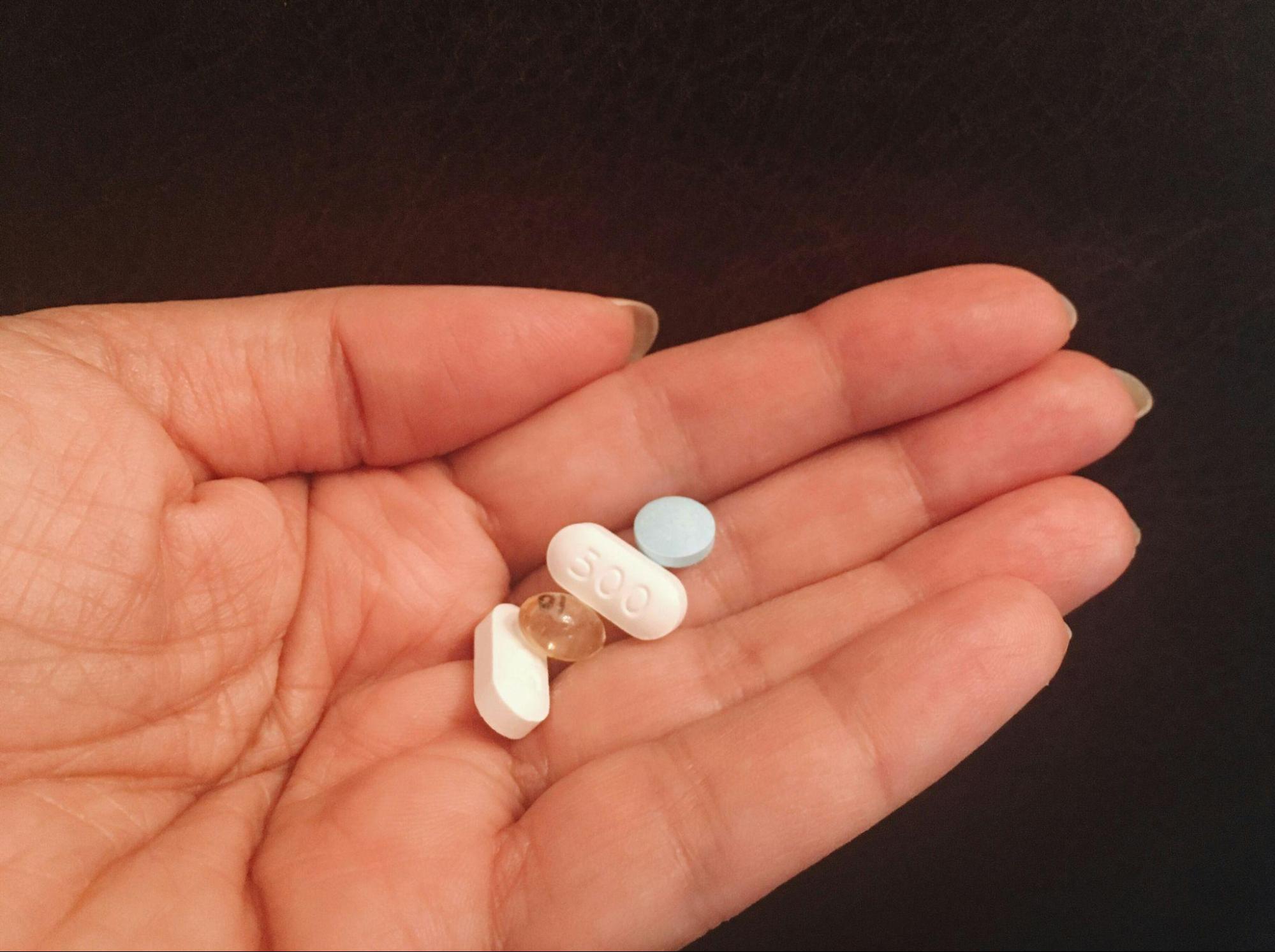 For illustration purpose only
Image Credit: pina messina on Unsplash
These nutrients do come from food, but during festive seasons when meals are irregular and during festive seasons, when meals are irregular and diets become less balanced, getting all these nutrients from food alone can be challenging. This is where responsible supplementation can play a supportive role. Natural ingredients such as milk thistle, turmeric, and artichoke are commonly used to support liver health. Milk thistle has long been associated with promoting liver function, turmeric contains curcumin, known for its antioxidant properties, and artichoke may help support digestion and the liver’s metabolic processes.
For those looking to maintain their liver wellness during periods of indulgence, supplements containing these ingredients can complement a balanced lifestyle when taken responsibly and alongside healthy habits.
A healthier festive season starts with small choices
You don’t have to skip all the fun during the festive season, just be mindful of how your daily habits affect your liver. A little moderation, good nutrition, enough rest, and supportive supplements can go a long way.
If you’re considering supplements, Caring Pharmacy’s pharmacists can help you choose options that fit your lifestyle and existing routines. Caring carries a range of Vitamode formulations and other wellness products, so whether you’re looking for vitamin C, ALA, or liver‑support blends featuring milk thistle, turmeric, or artichoke, you can get personalised guidance on what’s suitable for you and how to take it responsibly.
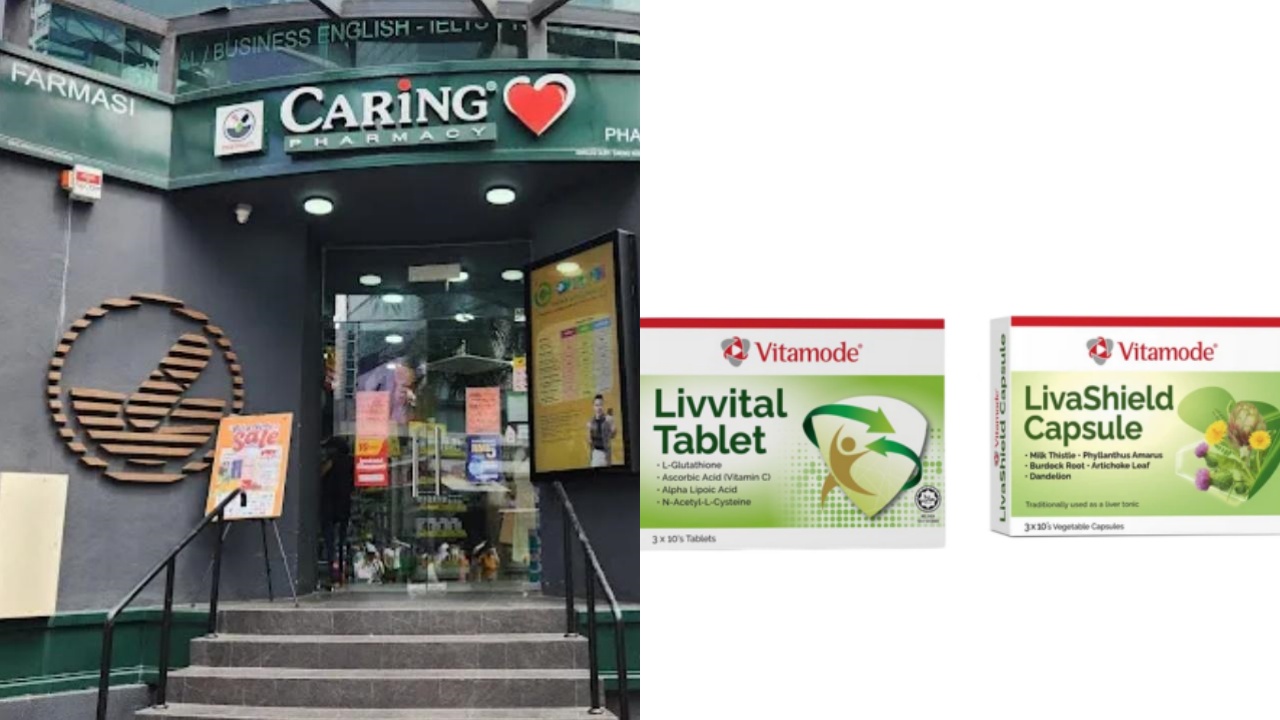
Image Credit: Provided to Rojak Daily
For personalised advice or liver-supporting options, visit your nearest Caring Pharmacy.
Featured Image Credit: Freepik, frimufilms on Freepik
You may be interested in
![[REJURAN] Turnover Mask 5 Sheets | Hydration, Skin Renewal, Soothing, Glow](https://d3lmgsai2rsy7d.cloudfront.net/astro-products/2026/07/08/6a4dc59c3f4c75.50851671-sg-11134207-824h6-mpsyplv65cenbd)
[REJURAN] Turnover Mask 5 Sheets | Hydration, Skin Renewal, Soothing, Glow
![[NEW] Tracey Easy Off-Trail Card Holder With Lanyard Dompet Kad Wanita](https://d3lmgsai2rsy7d.cloudfront.net/astro-products/2026/07/08/6a4dc59cb6ba80.79699010-sg-11134201-82588-mfrz4om8r9cdd0)
[NEW] Tracey Easy Off-Trail Card Holder With Lanyard Dompet Kad Wanita
1pcs random Sonny Angel HIPPERS - Harvest Series Mini Figure Blind box Cute Hippers decoration Line up?12 types
Popia Udang Gulung Dapur Ummi