
AI Brief
- Joanna Wietrzyk, an Australian athlete, experienced sudden faecal incontinence during a HYROX race in Beijing but continued competing and ultimately won the event.
- The incident sparked widespread backlash over hygiene concerns and the decision by race officials to allow her to continue, prompting HYROX to introduce new rules and offer refunds to affected participants.
- Wietrzyk later apologised, withdrew from the race, and forfeited her points, while experts noted that such incidents can occur in endurance sports due to the extreme physical stress placed on the body during competition.
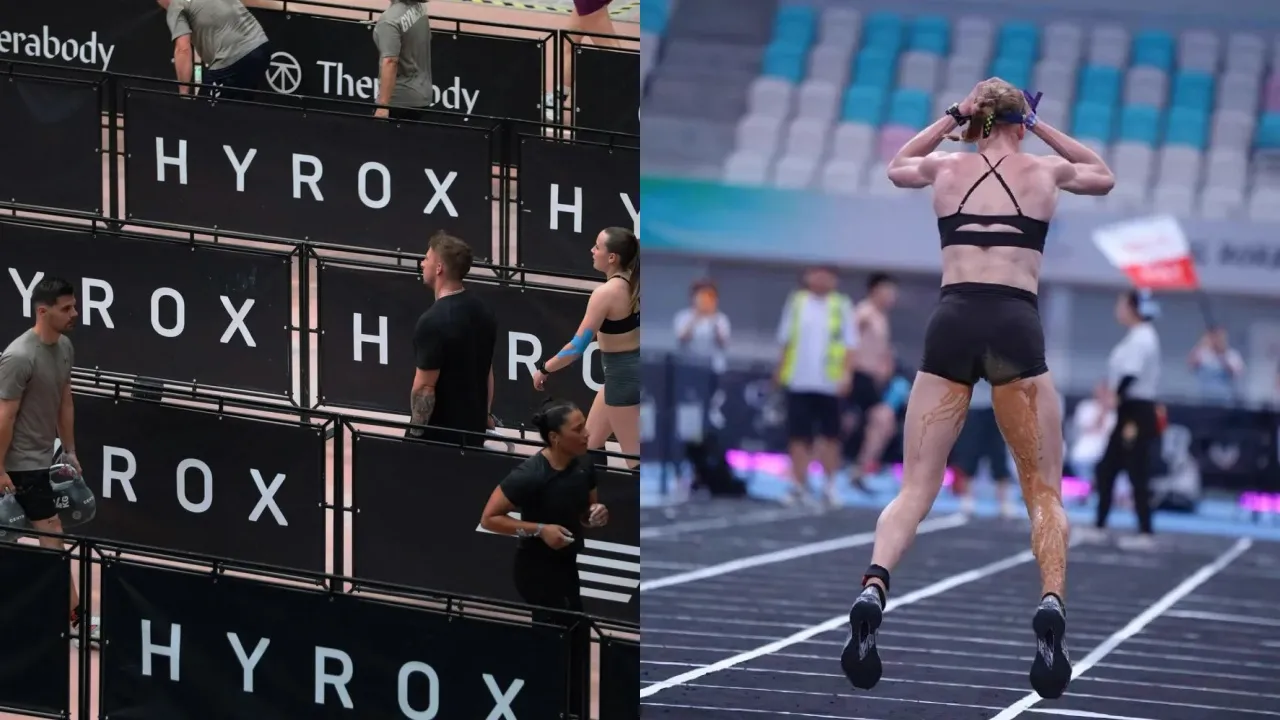
A recent HYROX competition in Beijing has sparked widespread discussion online after Australian athlete Joanna Wietrzyk experienced a bout of sudden faecal incontinence during the event but continued competing and ultimately crossed the finish line in first place.
Videos and photos from the event quickly went viral, with many questioning why race organisers allowed the competition to continue despite the obvious hygiene concerns, particularly as some workout stations and equipment were shared among competitors.
The incident has since prompted apologies from both Wietrzyk and HYROX, while also reigniting conversations about the physical limits athletes push themselves to during endurance events.
What happened?
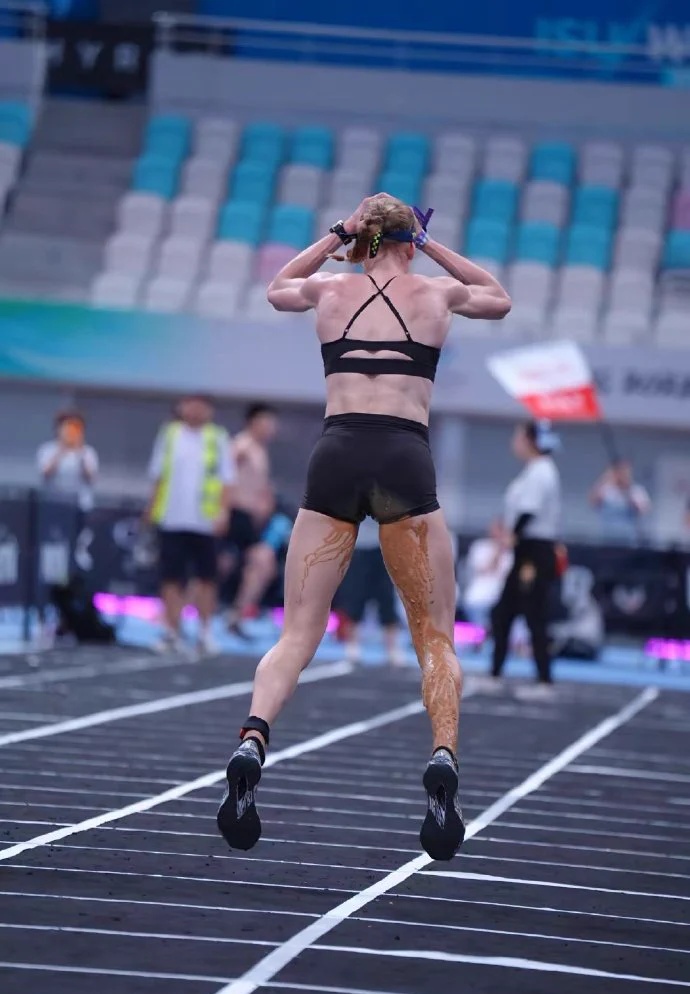 Image Credit: X
The incident occurred during a HYROX Pro Women's race in Beijing on 12 September. Wietrzyk reportedly suffered sudden faecal incontinence during the event but continued competing through the remaining stations and eventually won the race.
For those unfamiliar with HYROX, the fitness race combines eight one-kilometre runs with functional fitness stations such as sled pushes, rowing, burpee broad jumps, sandbag lunges, and wall balls. Competitors alternate between running and exercise stations, making it one of the most physically demanding fitness competitions currently gaining popularity worldwide.
The backlash
Many athletes questioned why officials did not immediately remove Wietrzyk from the competition despite the obvious hygiene concerns, particularly as HYROX involves shared equipment and race stations used by multiple competitors. Some participants also called for compensation or refunds, arguing that competitors were exposed to conditions they had not signed up for.
Adding to the debate was Malaysian HYROX competitor Zarif Zakaria, who shared his own experience on social media after the Beijing incident went viral. According to Zarif, he had previously been disqualified from a HYROX event in Bangkok after making a toilet stop before his race, which caused him to start late. Despite completing the race, he said he was later marked as disqualified.
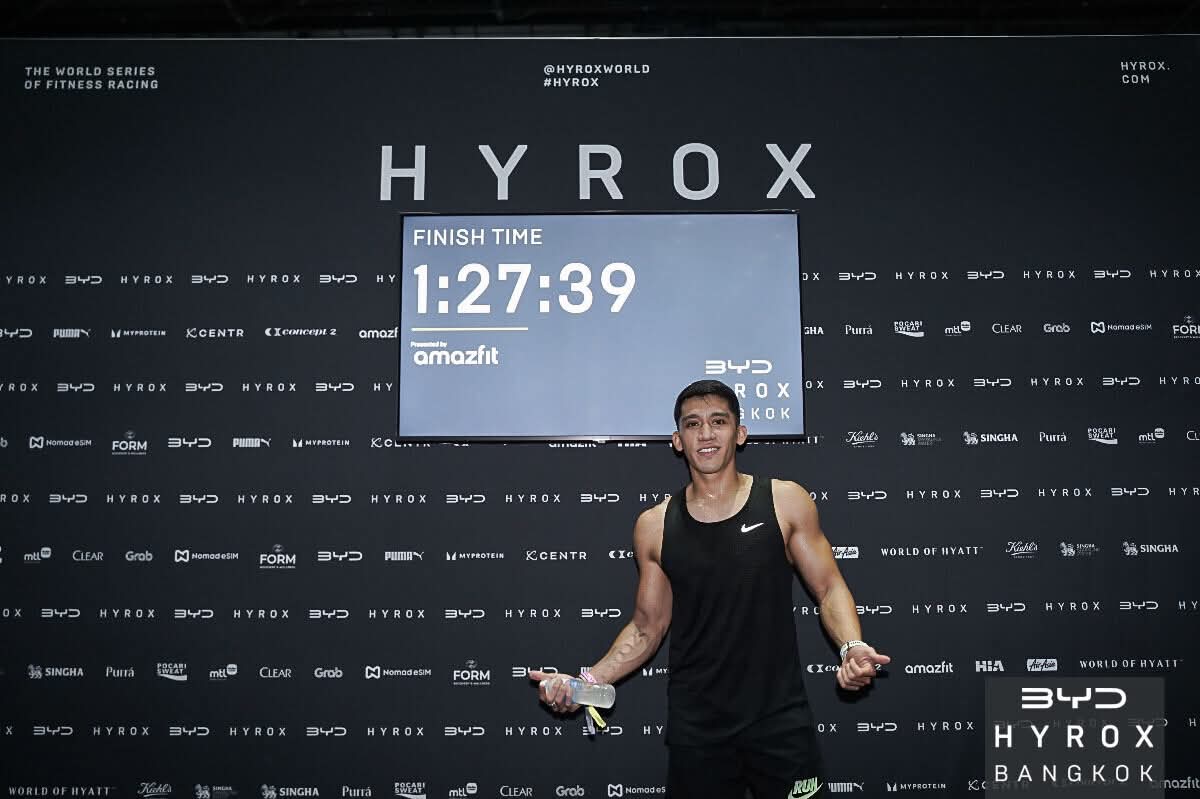
Image Credit: @zarifzakaria_ | Threads
In a post that quickly gained attention, Zarif questioned why he was disqualified for a toilet-related issue while another athlete was allowed to continue competing despite creating what many considered a health and contamination risk.
Following backlash from athletes and spectators, HYROX co-founder Moritz Fürste apologised for the organisation's handling of the situation, admitting that officials should have intervened sooner. The company has since introduced new rules allowing race directors to remove athletes whose blood, vomit, urine or faeces may pose a contamination risk to others. HYROX China has given full refunds to competitors affected by the incident.
Joanna Wietrzyk issues public apology
Several days after the race, Wietrzyk released a statement on Instagram addressing the controversy.
She apologised to fellow competitors, organisers, spectators and the people of China, saying she was "completely fit and healthy" when the race began and had no reason to expect any illness. The Australian athlete also admitted that, in hindsight, she should have stopped competing.
"Looking back, I regret the decision to not have stepped off the track. I recognise that I should have made a different choice."
Wietrzyk added that the experience taught her there is "more to life than racing" and that athletes also need to know when it is the right time to step away. She later chose to retroactively withdraw from the race and forfeit all ranking points she had earned from her victory.
Why incidents like this happen in endurance sports
While the incident attracted plenty of attention online, sports medicine experts note that gastrointestinal problems are not uncommon in endurance athletics.
Long-distance runners, triathletes, cyclists and ultramarathon competitors regularly experience digestive issues, nausea, cramping, vomiting and, in some cases, loss of bowel control during extreme exertion.
This happens because the body prioritises sending blood to working muscles and the skin for temperature regulation during intense exercise. As a result, blood flow to the digestive system can decrease, leading to gastrointestinal distress. Intense dehydration, elevated body temperature, race-day nutrition and prolonged physical stress can also contribute.
Although rare, incidents involving athletes soiling themselves have occurred before in marathons, Ironman events and ultramarathons, where competitors often push their bodies beyond normal physical limits for hours at a time.
Featured Image Credit: HYROX, X
You may be interested in
![[NEW] Tracey Easy Off-Trail Card Holder With Lanyard Dompet Kad Wanita](https://d3lmgsai2rsy7d.cloudfront.net/astro-products/2026/07/08/6a4dc59cb6ba80.79699010-sg-11134201-82588-mfrz4om8r9cdd0)
[NEW] Tracey Easy Off-Trail Card Holder With Lanyard Dompet Kad Wanita

1pcs random Sonny Angel HIPPERS - Harvest Series Mini Figure Blind box Cute Hippers decoration Line up?12 types

Popia Udang Gulung Dapur Ummi
![[REJURAN] Turnover Mask 5 Sheets | Hydration, Skin Renewal, Soothing, Glow](https://d3lmgsai2rsy7d.cloudfront.net/astro-products/2026/07/08/6a4dc59c3f4c75.50851671-sg-11134207-824h6-mpsyplv65cenbd)
[REJURAN] Turnover Mask 5 Sheets | Hydration, Skin Renewal, Soothing, Glow