

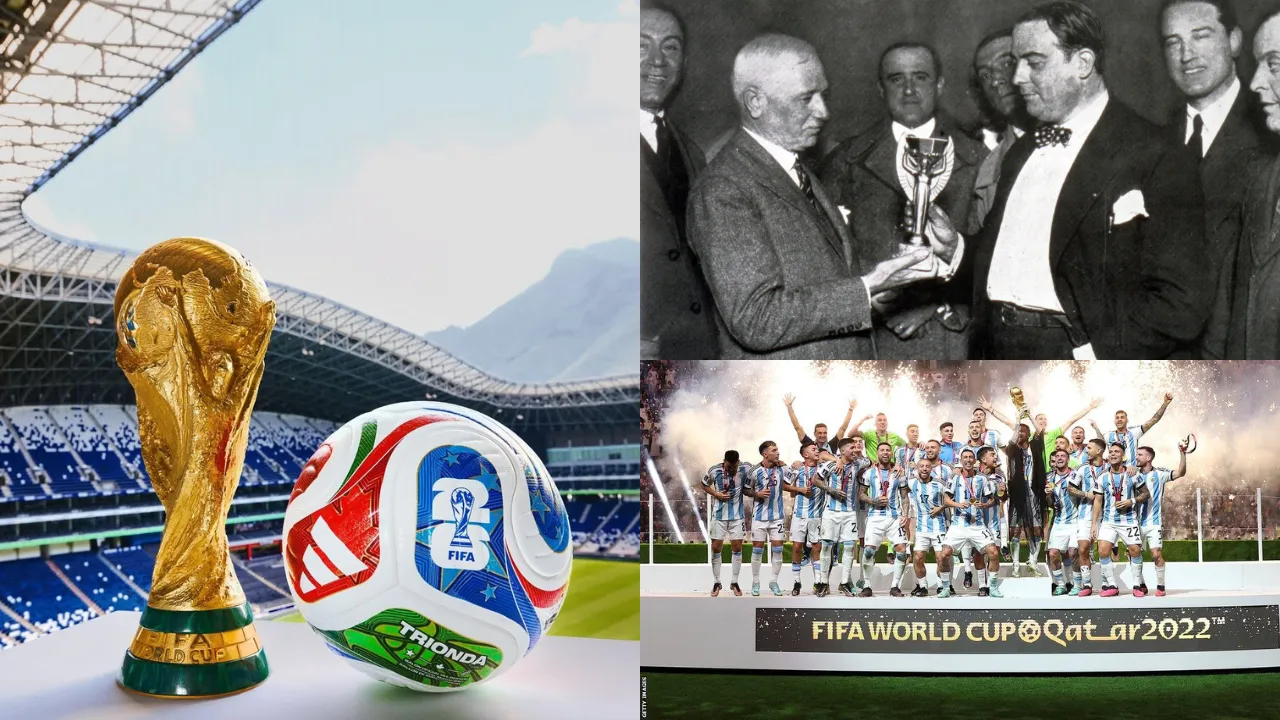
AI Brief
- The first FIFA World Cup in 1930 featured only 13 teams and was won by host nation Uruguay.
- The tournament was cancelled in 1942 and 1946 due to World War II, resuming in 1950 with Brazil as host.
- The original Jules Rimet Trophy was stolen twice, recovered once, but disappeared permanently in 1983, leading to the creation of a new trophy in 1974.
One week into the FIFA World Cup, millions of fans around the globe have already settled into the familiar routine of staying up late to catch matches, passionately supporting their favourite nations and debating every goal and refereeing decision.
But as we enjoy the spectacle of football’s biggest stage today, it is easy to forget that the tournament was not always the global phenomenon we know now. Let’s take a step back and revisit how the world’s biggest football competition came to be.
Only 13 teams competed in the first tournament
Football was introduced at the 1900 Olympic Games in Paris. The sport’s growing international popularity contributed to the founding of the Fédération Internationale de Football Association (FIFA) in 1904.
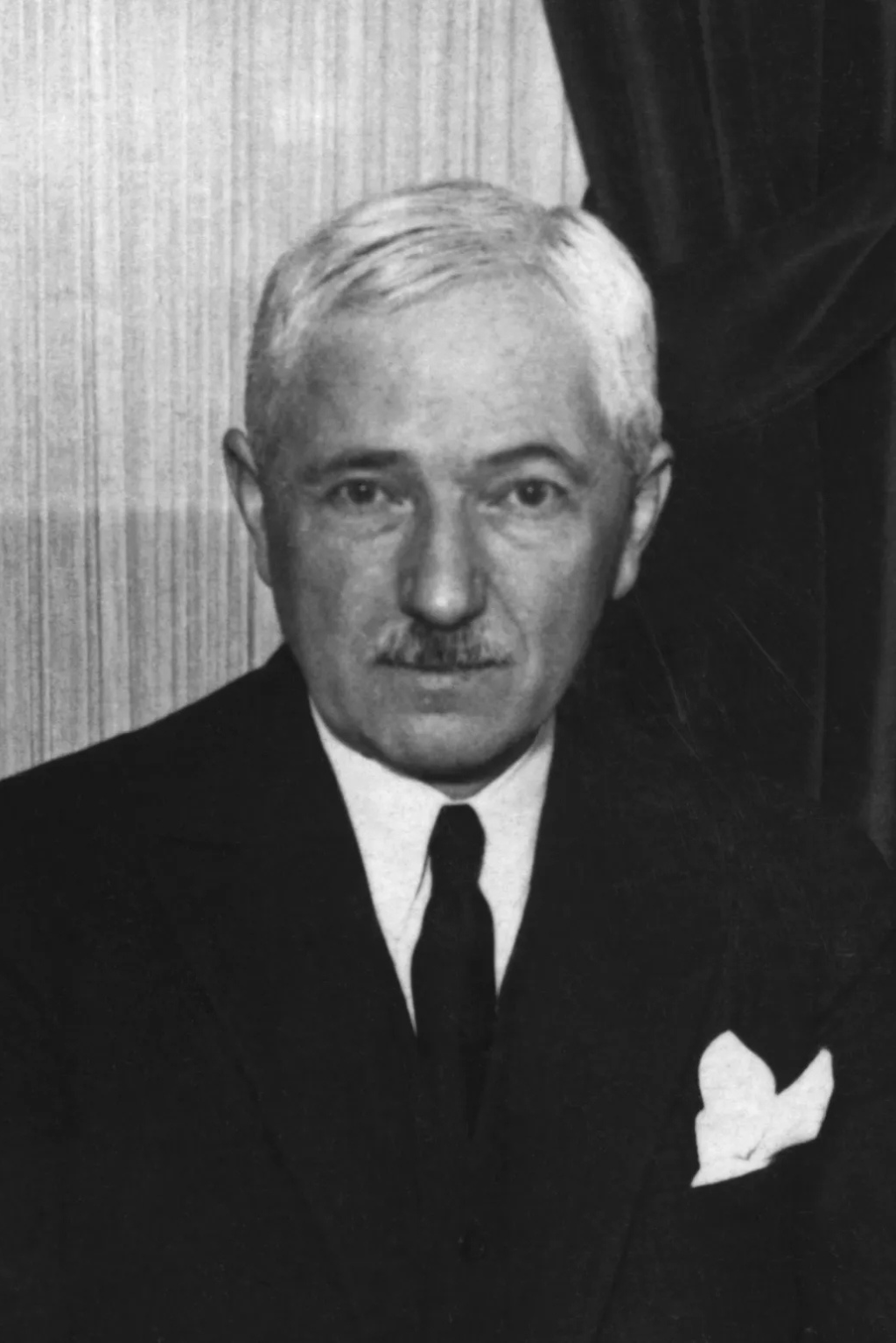 Image Credit: Newsweek
During the 1920 edition of the Olympic Games, future FIFA President Jules Rimet, who would later become known as the “Father of the World Cup”, proposed a separate international tournament for the sport.
The first FIFA World Cup was held in 1930, with 13 teams competing in Uruguay. The tournament was won by the host nation after Uruguay defeated Argentina 4–2 in the final on 30 July 1930.
Following the inaugural World Cup, football was not included in the 1932 Olympic Games in Los Angeles. Four years later, however, the sport returned to the Olympics and has remained a fixture ever since.
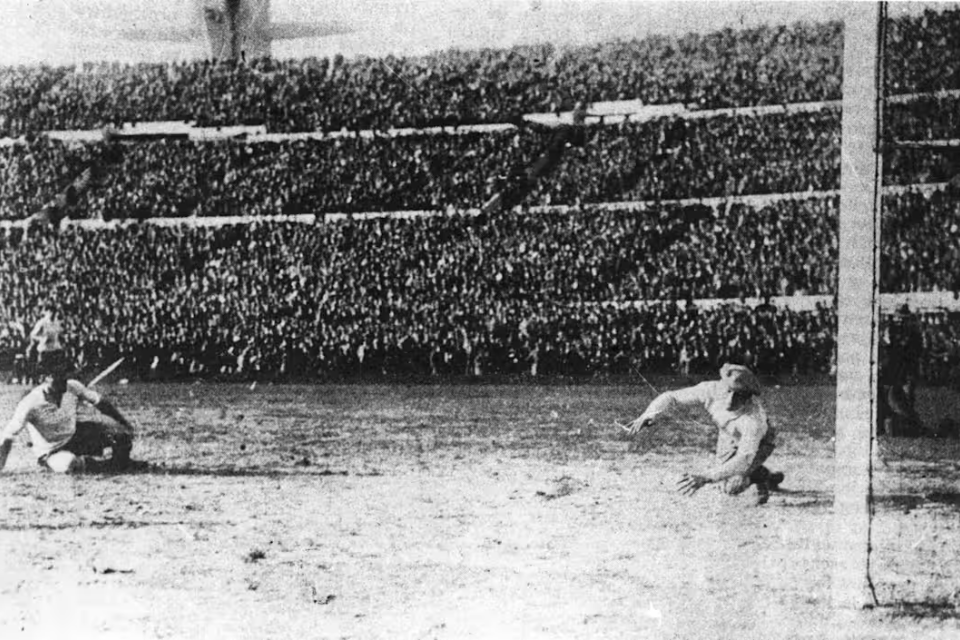 Image Credit: History.com
Meanwhile, FIFA continued staging the World Cup every four years. However, did you know that the tournament was cancelled twice, in 1942 and 1946?
The cancellation of the World Cup
After the 1938 World Cup in France, the Nazi Party was continuing its rise to power in Germany. Although Adolf Hitler reportedly campaigned for Germany to host the 1942 tournament, FIFA cancelled the competition before a host nation could be selected following the outbreak of World War II.
Although the war officially ended on 2 September 1945, the 1946 World Cup was also cancelled due to the widespread impact and devastation caused by the conflict.
It was not until 12 years after the tournament was first cancelled that the FIFA World Cup finally resumed.
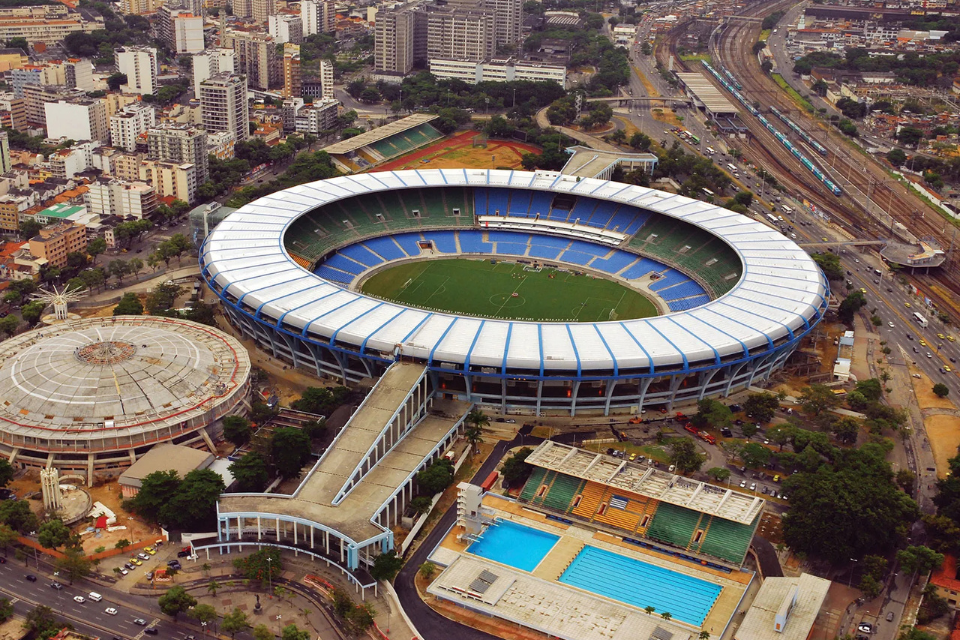 Image Credit: Britannica
Initially, no country volunteered to host the tournament. Brazil eventually stepped forward and began constructing the Maracanã Stadium in Rio de Janeiro for the competition. At the time, it was the largest stadium in the world, built to accommodate 200,000 spectators. However, construction was still ongoing when the tournament began in 1950.
Uruguay went on to win the 1950 FIFA World Cup after defeating Brazil 2–1 in the decisive final match.
The FIFA World Cup trophy was stolen
What’s a competition without a trophy to compete for? While the FIFA World Cup Trophy we know today is iconic, it is not the original prize that was awarded when the tournament first began in 1930.
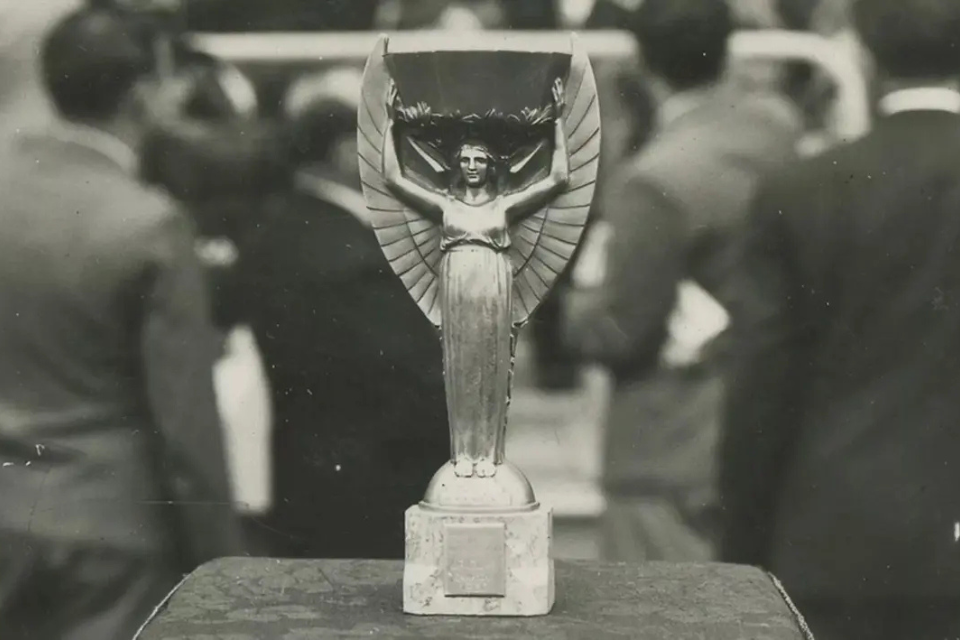 Image Credit: FIFA Museum
The original World Cup trophy depicted the ancient Greek goddess Nike holding a chalice aloft. It was originally named Victory, after the goddess herself, but was later renamed the Jules Rimet Trophy in honour of the Father of the World Cup.
The Jules Rimet Trophy was crafted from gold-plated sterling silver and mounted on a lapis lazuli base by French sculptor Abel Lafleur.
During World War II, Ottorino Barassi, an Italian football official, reportedly hid the Jules Rimet Trophy in a shoebox beneath his bed in Rome to prevent it from falling into Nazi hands.
Ahead of the 1966 FIFA World Cup in England, the Jules Rimet Trophy was stolen during a public exhibition. Although a ransom note was discovered and a suspect was arrested, the trophy itself remained missing.
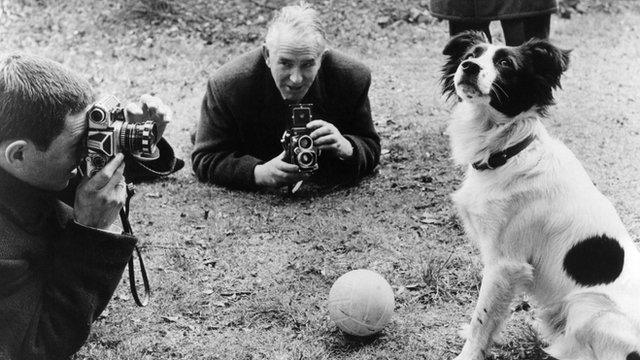 Image Credit: BBC
Just when the world thought the trophy was gone for good, a week later, a dog named Pickles discovered it while out on a walk with his owner, David Corbett. The trophy had been wrapped in newspaper and hidden in bushes near a neighbour’s house.
England would later go on to lift that very trophy after defeating West Germany 4–2 in the World Cup final.
The trophy went missing yet again
Just when it seemed the Jules Rimet Trophy’s story could not become any more dramatic, another chapter unfolded. After being stolen and miraculously recovered in 1966, the legendary piece of football history would later disappear once again, this time without a happy ending.
After winning the World Cup for the third time, Brazil was granted permanent ownership of the Jules Rimet Trophy. However, in 1983, it was stolen from the headquarters of the Brazilian Football Confederation in Rio de Janeiro.
The Jules Rimet Trophy was never recovered after the second theft. It is widely believed that it was melted down.
A new trophy was commissioned
When Brazil was awarded permanent ownership of the Jules Rimet Trophy, FIFA organised a design competition to select a replacement. Out of 53 submissions, the winning design came from Italian sculptor Silvio Gazzaniga.
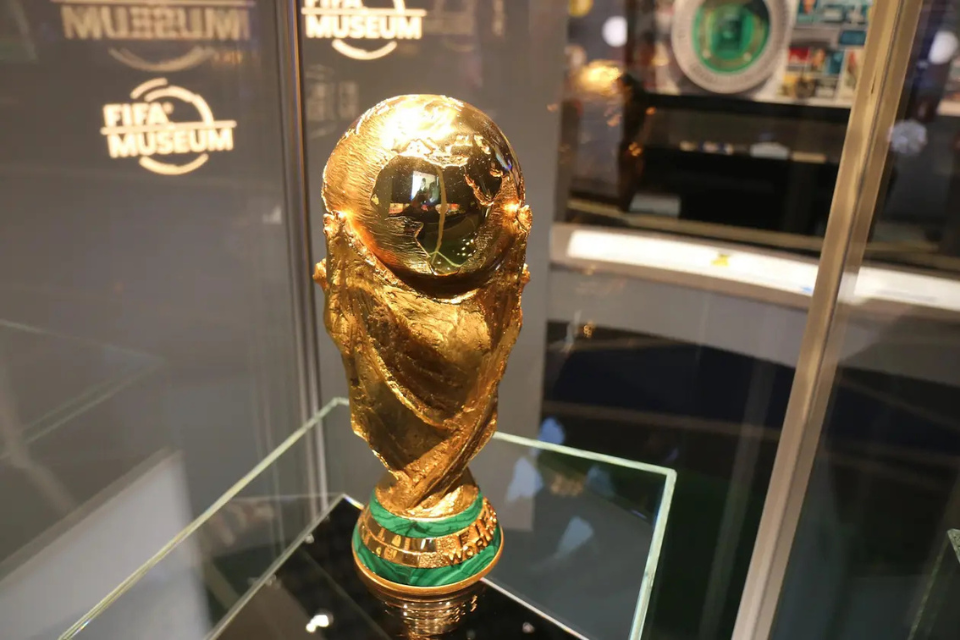 Image Credit: FIFA Museum
The new trophy, featuring two human figures holding up the Earth, stands 36.8 cm tall and weighs 6.175 kg. It is made of 18-carat solid gold, while its base features two bands of green malachite.
Like previous World Cup winners, victorious teams were initially allowed to keep the trophy. However, since the 2006 FIFA World Cup, champions have only received the original trophy during the presentation ceremony.
FIFA subsequently awards the winning team a replica trophy to display in its federation’s trophy cabinet.
Which countries have won the most World Cups?
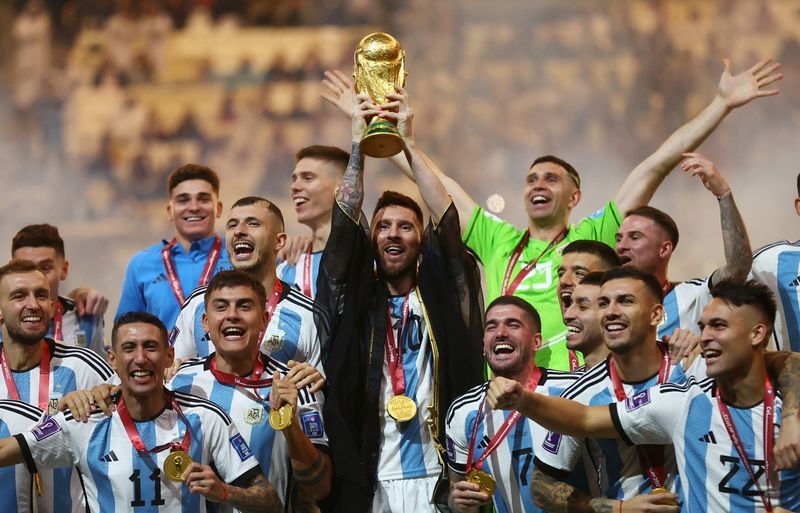 Image Credit: The Star
Besides being the country with the most FIFA World Cup titles, Brazil also holds the record for the most tournament appearances, having competed in every edition of the competition.
Below is the list of countries with the most FIFA World Cup titles:
- Brazil: 5 (1958, 1962, 1970, 1994, 2002)
- Germany: 4 (1954, 1974, 1990, 2014)
- Italy: 4 (1934, 1938, 1982, 2006)
- Argentina: 3 (1978, 1986, 2022)
- France: 2 (1998, 2018)
- Uruguay: 2 (1930, 1950)
From a modest tournament featuring just 13 teams in Uruguay to a global sporting spectacle watched by billions, the FIFA World Cup has grown into one of the most celebrated events in the world. Along the way, it has survived wars, witnessed stolen trophies, and produced countless moments of sporting drama, all of which have cemented its place in football history.
Featured Image Credit: Instagram, Britannica, BBC
You may be interested in

Popia Udang Gulung Dapur Ummi
![[REJURAN] Turnover Mask 5 Sheets | Hydration, Skin Renewal, Soothing, Glow](https://d3lmgsai2rsy7d.cloudfront.net/astro-products/2026/07/08/6a4dc59c3f4c75.50851671-sg-11134207-824h6-mpsyplv65cenbd)
[REJURAN] Turnover Mask 5 Sheets | Hydration, Skin Renewal, Soothing, Glow
GJ Jewellery Emas Korea Emas Bangkok 24K Woman Anklet Daun/Jubin Sliver Gold/Gila-gila Love (26cm-27cm) GA-8

1pcs random Sonny Angel HIPPERS - Harvest Series Mini Figure Blind box Cute Hippers decoration Line up?12 types
![[NEW] Tracey Easy Off-Trail Card Holder With Lanyard Dompet Kad Wanita](https://d3lmgsai2rsy7d.cloudfront.net/astro-products/2026/07/08/6a4dc59cb6ba80.79699010-sg-11134201-82588-mfrz4om8r9cdd0)